
I notice that the aquaculture industry in India keeps changing. New ideas about fish nutrition feed making and modern farming tools are appearing. As people want fresh water fish farmers search for ways to help fish grow faster keep the water clean cut costs and make more fish.
I see that the valuable fresh water fish are Indian Major Carps (IMC). These include Rohu, Catla and Mrigal. They are very important to India’s fish farms. To grow them well farmers need fish seed, balanced food, good pond care and science‑based fish feed. In 2027 new advanced major carp fish feed technology will be very useful for fish farm results and for sustainable fish farming.
Traditional ways of feeding carp use rice bran and oil cakes. This has worked for a time… Today’s fish farms need food that has steady nutrition, easy digestion and better use of feed. New fish feed production tools are answering these needs. They make recipes use good ingredients make better pellets and add useful nutrients. If farmers use these major carp fish feed solutions they can feed fish more efficiently help fish grow healthy and grow more profit from their farms.
Advanced Major Carp Fish Feed Formulation and Nutritional Innovations in 2027
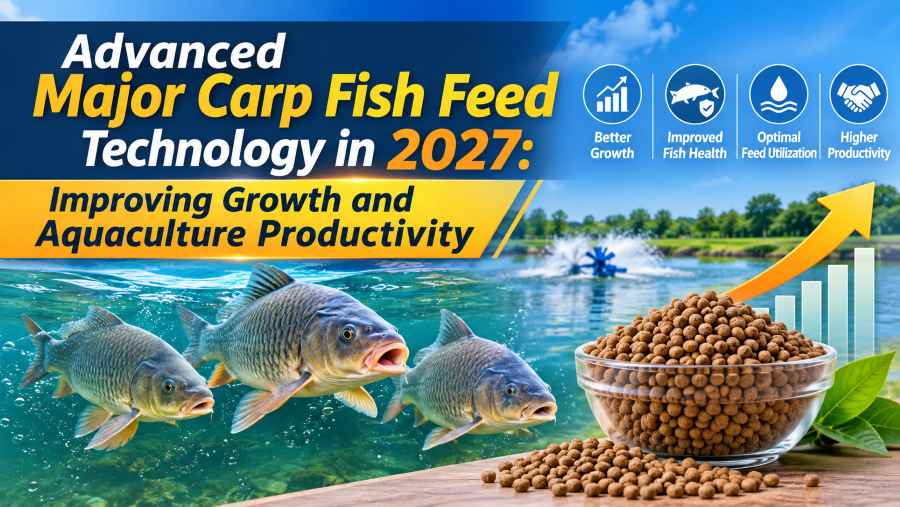
Advanced major carp fish feed technology aims to give the mix of nutrients that fish need at each growth stage. Rohu, Catla and Mrigal eat differently. Live in different parts of a pond. So their diet needs and how they eat must be thought about when making carp feed. Today’s fish feed makers are making meals that have good proteins, carbs, fats, vitamins, minerals and amino acids. These help fish grow work well. Stay healthy.
Protein is very important in carp fish feed. It helps fish build muscle fix tissue and grow well. Foods like soybean meal, groundnut oil cake, mustard oil cake and other good protein foods can make feed. Key amino acids such as lysine and methionine help the fish use protein better. Fats give energy. Vitamins and minerals help the fish’s body work build bones and keep the system strong. A good diet lets fish use all the nutrients and stops waste.
In 2027 a big change is the focus on sustainable feed ingredients. Fish meal recipes often cost a lot. May not be always available. So scientists and feed makers look at plant proteins, fermented foods, insect meals, crop waste and other food sources. Black soldier fly larvae meal, silkworm pupae meal and some crop wastes are being studied as options for sustainable aquafeed. These can lower the need for ingredients and help make cheaper feed when they are processed and balanced right.
Another new idea is adding ingredients to feed. Probiotics, prebiotics, digestive enzymes and natural additives are being tested to help fish food absorb nutrients keep the gut healthy and fight disease. Enzymes can help break down some foods and probiotics can keep the gut bacteria good… How well these work depends on the mix of ingredients how much is used how the feed is made and which fish is fed. These changes make advanced major carp fish feed focus more on how well fish eat and grow not on giving them energy and protein.
Smart Fish Feed Manufacturing, Pellet Technology and Precision Feeding, for Better Growth
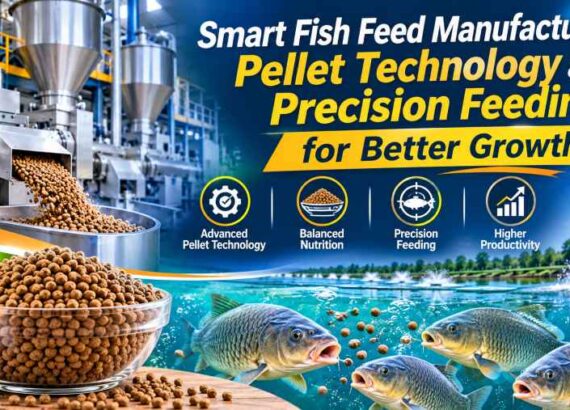
Fish feed production tools are changing how major carp feed is made and given to fish farms. Better grinding, mixing, conditioning, extrusion and pellet making let producers make feed that has nutrition, good size, smooth texture and stays strong. These changes matter because bad feed can dissolve fast waste fish food and leave fish with good nutrition.
These improvements matter because low‑quality feed can dissolve fast waste food and give fish nutrition.
Pellet technology is very important for commercial carp farming. Compared with mixed traditional feed ingredients properly made pellets give better handling, easy storage and more even distribution of nutrients. Floating, slow‑sinking and sinking pellets can be chosen based on the feeding habits of fish species and the needs of the farming system. Catla usually eats near the water surface Rohu often feeds in the middle of the water column while Mrigal mostly feeds at the bottom. Knowing these feeding habits helps farmers pick the feed types and spread nutrition more effectively throughout the pond.
Extruded floating fish feed is becoming a choice in modern aquaculture because farmers can watch feeding activity and change the amount of feed based on how the fish react. Slow‑sinking and sinking pellets can also help species that eat below the surface. Picking the pellet size is just as important. Small fish need pellets that fit their mouths so they can eat easily while large fish can get pellets that match their nutritional needs. This stage‑specific feeding method can make feed use better. Cut down on waste.
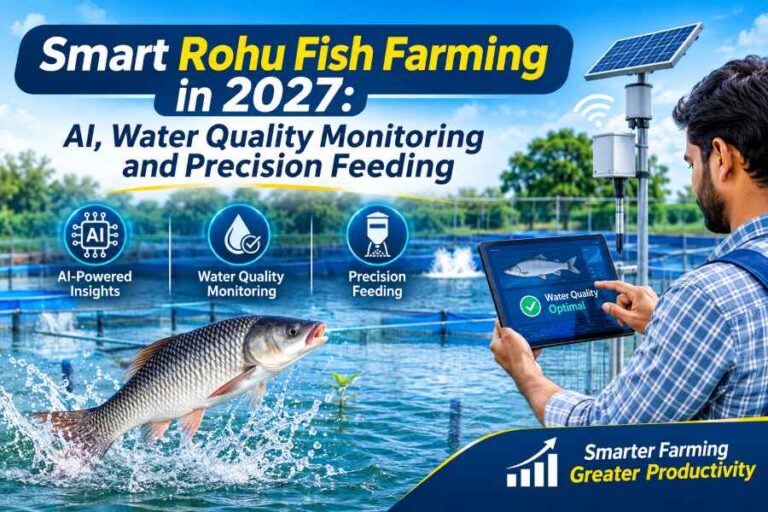
Another new development is precision feeding that uses technology. In 2027 the mix of feeding machines Internet of Things devices, artificial intelligence and digital farm monitoring is expected to open new chances for efficient aquaculture management. Smart feeding systems can assist farmers in setting feeding times and amounts using fish behaviour, weight estimates and environmental conditions. Devices that watch water quality can also record values such as dissolved oxygen, temperature, pH and ammonia levels. These records help farmers decide on feeding and pond care.
Feed Conversion Ratio or FCR is another measure in modern carp farming. FCR tells how much feed is needed to gain an amount of fish weight. Better feed quality, feeding times right stocking density and healthy pond conditions can help feed be used better. Farmers should watch fish feeding habits, track growth. Not feed too much. Food that is not eaten can build up waste and harm pond water quality. So precision feeding is not useful for faster fish growth but also for lowering costs and keeping the aquatic environment healthier.
Sustainable Major Carp Aquaculture: Improving Productivity, Fish Health and Farm Profitability
Sustainable aquaculture is now a priority for fish farmers and fish feed makers in India. As the need for more fish grows farmers need feed solutions that give growth without overusing natural resources or harming pond ecosystems. Advanced major carp fish feed technology can help meet this goal by using nutrients efficiently choosing ingredients responsibly making better pellets and cutting down on feed waste.
One key development is using agro‑industrial by‑products in fish feed. When these ingredients are processed correctly they can give nutrients and help use resources better. In India research projects are looking at waste‑to‑wealth ideas that turn chosen by‑products into aquafeed ingredients. These ideas can lower feed costs. Open up chances for greener aquaculture supply chains. Still new ingredients must be tested for nutrition and quality before they are put into fish feed.
Fish health is also vital for carp farming results. Balanced nutrition helps growth, body functions and immune reactions. Low‑quality feed, missing nutrients and wrong feeding habits can hurt fish growth. Make farm work harder. Therefore farmers should choose major carp fish feed that satisfies the nutrition needs of the species and its growth stage. Watching fish behaviour, how they eat and the pond conditions regularly can spot problems early.
Modern aquaculture productivity also relies on linking feed management with farm practices. Keeping dissolved oxygen watching water temperature, limiting ammonia managing how many fish are in the pond and preparing the pond properly are all needed to make good growing conditions. Even the best fish feed cannot work well if the pond water is bad or the fish feel stressed. A mix of nutrition and careful pond management is needed to get better results.
For fish farmers picking a trustworthy fish feed maker is a key part of running a successful aquaculture business. Steady feed quality, pellet sizes, balanced nutrition and dependable product supply can make daily feeding easier. Happy Feeds works to help the aquaculture sector, with fish nutrition that fits fish farming needs. Farmers who grow Rohu, Catla, Mrigal and other freshwater fish should focus on quality feed. Science‑based feeding methods to boost farm results.
I see that looking ahead advanced feed formulation, sustainable ingredients, improved pellet manufacturing, nutrition and precision feeding will keep shaping the future of major carp aquaculture in India. These changes give chances to boost production efficiency, control feed costs and help run fish farms that respect the environment.
Conclusion
I see that advanced major carp fish feed technology in 2027 marks a move toward more efficient, productive and sustainable aquaculture in India. When major carp fish feed is scientifically balanced uses protein sources adds useful nutrients and is made with modern pellet techniques farmers can see better fish growth and better use of nutrients. For Rohu, Catla and Mrigal farms picking the feed for each species and each growth stage is crucial. Yet good aquaculture also needs pond preparation, monitoring of water quality right stocking density and steady farm management. By pairing high‑quality carp fish feed with modern aquaculture methods farmers can boost efficiency cut wasteful feed use and create more sustainable fish farms. Happy Feeds wants to help this expanding industry with fish nutrition solutions that focus on quality.
Frequently Asked Questions (FAQs)
What is major carp fish feed?
I find that major carp fish feed is a made aquaculture nutrition for Indian Major Carps, such as Rohu, Catla and Mrigal. Major carp fish feed usually holds proteins, carbohydrates, fats, vitamins, minerals and essential amino acids that are needed for growth and development.
Which fish feed is best for Rohu, Catla and Mrigal?
The best fish feed depends on the species the size of the fish the growth stage and the farming conditions. Balanced floating, slow‑sinking or sinking pellets can be chosen to match the feeding habits and nutrient needs of each carp species.
How does advanced fish feed technology improve carp growth?
Advanced fish feed technology makes nutrition more consistent raises pellet quality improves digestibility and allows use of nutrients. When major carp fish feed is properly formulated major carp fish feed helps fish grow makes feeding more efficient and cuts down on wasted feed.
What is the importance of FCR in carp fish farming?
Feed Conversion Ratio (FCR) tells how much feed is needed to gain an amount of fish weight. A lower FCR usually shows feed efficiency, which helps farmers control feeding costs and improve production economics.
What are the latest trends in carp fish feed technology, in 2027?
Key trends are alternative protein sources, functional feed additives, better extrusion technology, species‑specific pellet designs, automated feeding systems and AI‑supported precision feeding. These ideas aim to raise aquaculture productivity and use resources efficiently.
Thanks for reading
……………………………………………………………………………………………………………………………………………….
Click here to read this: How to Choose the Right Floating Fish Feed
Visit our product page to see all products: Click here to visit
Need help choosing feed? Use our Free Feed Calculator
Visit: Dust Fish Feed Products