
One of India’s fastest-growing agricultural industries is fish farming. Aquaculture is becoming more and more popular among farmers due to its high profits and sustainable food production. Fish diseases, however, are a major problem for fish farmers.
Slow growth, decreased productivity, and even significant financial losses can result from fish diseases. Many novices overlook the significance of good nutrition in favour of concentrating solely on pond management. In actuality, a well-balanced, premium fish diet is essential for preserving fish health and averting illnesses.
Giving fish the proper nutrition boosts their immunity, speeds up their growth, and lowers their risk of infection. Recognising common fish illnesses and how appropriate feed can
Prevention is essential for every fish farmer who wants to run a successful and profitable fish farming business.
Why Fish Health Is Important in Fish Farming
Fish in good health grow more quickly, use feed more effectively, and yield more. Fish that are ill have lower appetites, slower growth, and higher mortality rates.
Because fish live close to one another in water, fish diseases frequently spread quickly in ponds or tanks. A disease can quickly spread to the entire fish population.
Fish can strengthen their immunity with a proper diet and high-quality fish feed. They become more resilient to infections caused by bacteria, fungi, and parasites as a result. To put it simply, treating illnesses later is more difficult and expensive than preventing them through appropriate feeding.
Most Common Fish Diseases
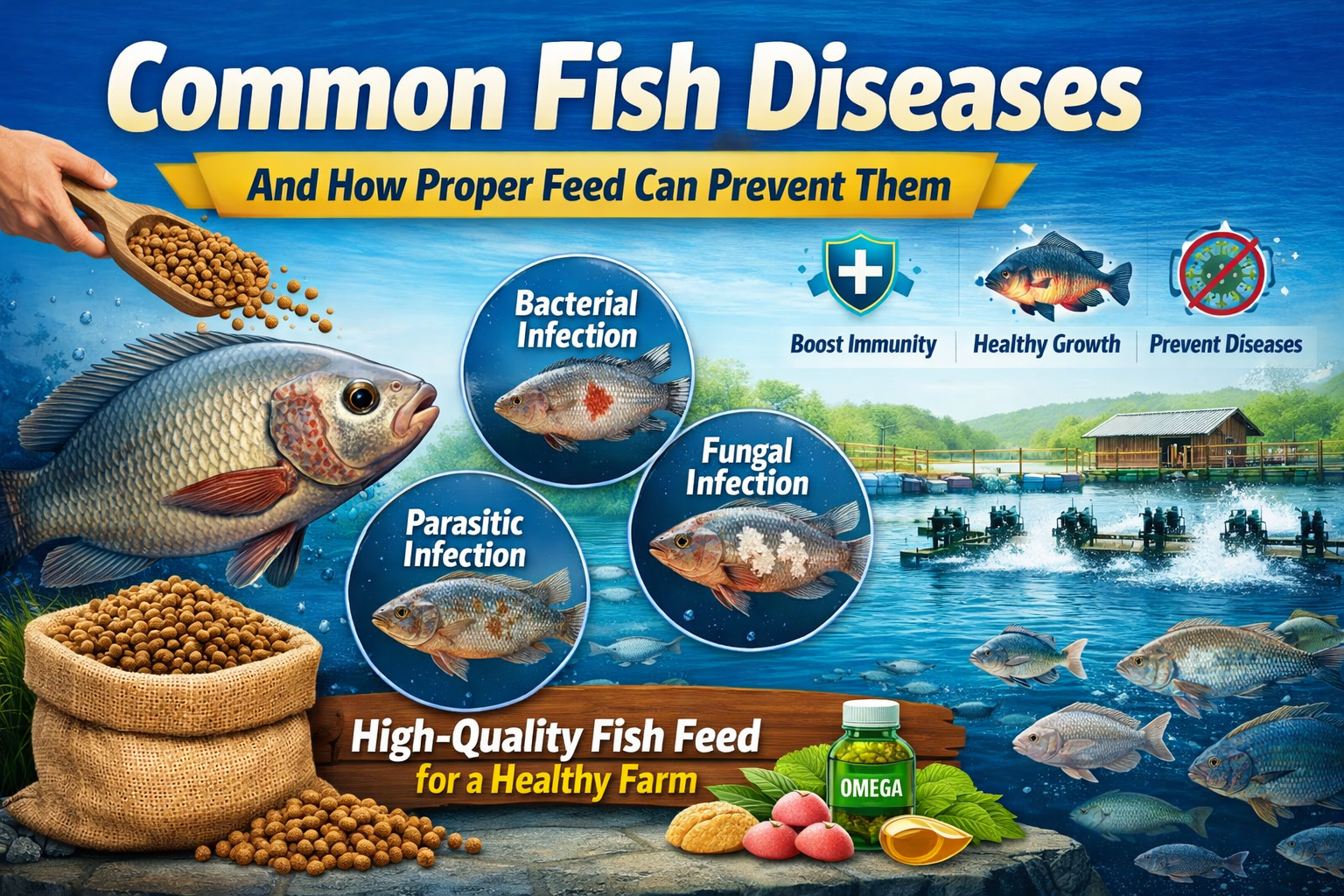
- Infections with Bacteria:
One of the most prevalent issues in aquaculture is bacterial diseases. These infections typically develop when fish are under stress from inadequate feeding or when the water quality is low.
Among the symptoms are:
• the body’s red spots
• Damage to fins
• Skin ulcers
• A decrease in appetite
Giving fish wholesome food that is high in proteins and vitamins aids in the development of a robust immune system that can combat bacterial infections.
2. Infections with Fungi
Fish with fungal infections typically have white or cotton-like patches on their skin, gills, or fins. Fish injuries or weakness are common causes of these infections.
Fish that are malnourished are more susceptible to fungal infections. Strong skin and scales are maintained when fish are fed a balanced diet rich in vital nutrients.
3. Parasitic Diseases
Fish are home to parasites, which are microscopic organisms that can cause several health issues. Fish gills, skin, and internal organs are all impacted by common parasites.
Among the symptoms are:
• Scratching surfaces excessively
• Difficulty breathing
• Diminished growth
A healthy diet increases the fish’s general strength and resistance, making it easier for them to withstand and combat parasitic infections.
4. Viral Illnesses
In fish farms, viral diseases can result in significant losses despite being less frequent than bacterial infections. These illnesses frequently have no known cure and spread swiftly.
Maintaining a robust immunity through a healthy diet and high-quality feed is the best defence against viral infections.
How Poor Nutrition Causes Fish Diseases
For fish to remain healthy, they need vital nutrients like proteins, vitamins, minerals, and fats. Fish with inadequate intake of these nutrients develop weakened immune systems.
Inadequate eating can result in:
• Slow expansion
• Inadequate immunity
• A higher vulnerability to illness
• Greater rates of death
Fish that are fed poorly or on an unbalanced diet may not get enough nutrients, which increases their susceptibility to infections. For this reason, selecting premium fish feed is crucial to preventing illness.
Role of High-Quality Fish Feed in Disease Prevention
Growth, immunity, and general health are supported by the balanced nutrition found in high-quality fish feed. Proteins, vitamins, minerals, and essential fatty acids are all part of proper feed formulations that keep fish healthy.
The following are some significant advantages of premium fish feed:
Increased Immunity
A healthy diet increases immunity and aids fish in their natural defence against illness.
Quicker Growth
Fish that are fed a balanced diet grow more quickly and reach market size.
Increased Feed Conversion
Pond waste is decreased, and feed efficiency is increased with high-quality feed.
Decreased Risk of Disease
Fish farms experience lower losses because healthy fish are less likely to become infected.
Tips to Maintain Healthy Fish through Proper Feeding
To keep your fish healthy, you need to do more than just provide a diet for them; you also need to provide an environment that is conducive to good fish (i.e., feed) health and proper fish husbandry/practices. Therefore:
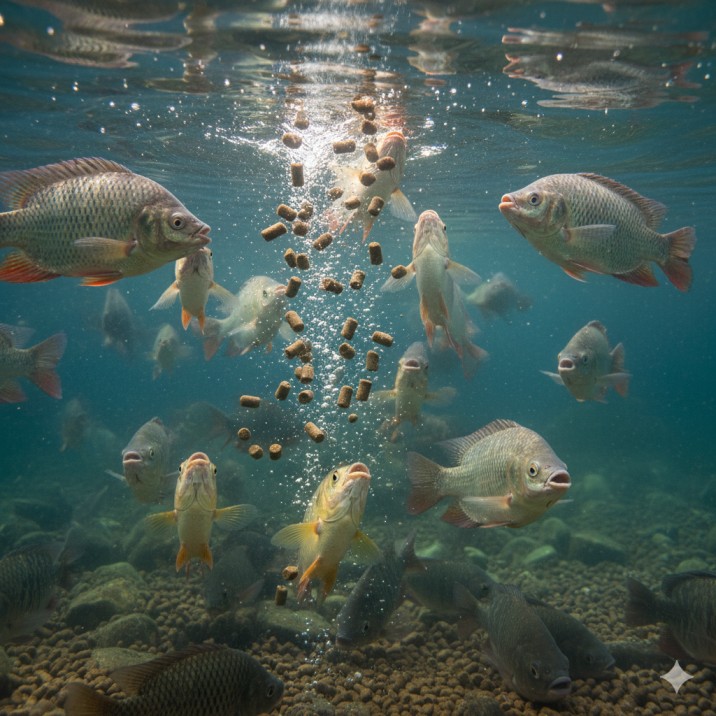
1) Use a quality-of-quality floating fish feed, as this will enable proper monitoring of the fish’s feeding habits and minimise food waste.
2) When you feed the fish at the right time will also promote a more efficient digestion process as well as growth.
3) Do not overfeed the fish; excessive feeding will cause pollution of the water and, therefore, the increased risk of disease among the fish.
4) Good water quality will support healthy growth in your fish, reduce the likelihood of stress among your fish, and promote good overall well-being for your fish.
5) Properly store fish feed, i.e., keep the fish food in a cool, dry storage area, which will maintain the quality of your fish feed.
Conclusion
Fish farming faces many challenges, including health threats due to fish illnesses; however, one of the better ways that this concern can be addressed is by ensuring proper nutrition and effective management of a fish farm. Feeding fish with a well-balanced, quality diet will improve the fish’s immune system (thereby reducing the likelihood of the fish contracting an illness), will help with faster growth rates of the fish and will minimise the likelihood of a fish infection developing.
Fish farmers, through knowledge of commonly-caused fish illnesses, and with an understanding of the importance of properly feeding and caring for their fish, can successfully raise healthy fish and increase their production from their farms. Additionally, purchasing quality fish feed is an investment that will not only assist with the growth rate of fish but also support sustainable and financially successful fish farming.
FAQs:
1. What factors play a role in fish diseases found in aquaculture systems?
Poor water quality, parasite and/or bacterial infestations and inadequate nutrition are the primary causes of fish diseases.
2. Can disease prevention be achieved through proper feed for fish?
Properly formulated and balanced fish feeds will assist in preventing many of the commonest fish diseases by helping to bolster and maintain healthy immune function within fish.
3. What should the frequency be at which fish are fed in aquaculture?
In general, fish should be fed two to three times daily, but this may vary depending on the type of fish and the conditions of the aquaculture system.
4. Why is protein vital to fish feed?
The main reason protein is an essential part of fish feed is that protein provides for growth, repairs damaged tissue, provides a strong and healthy fish immune system, and provides energy for fish to perform normal activities.
5. What are some examples of improving the health of cultured fish by the fish farmer?
By providing nutritious feed, sustaining superior quality water, not overfeeding, and regularly monitoring the behaviour and welfare of fish within the aquaculture system.
You can explore reliable options at Happy Feeds: https://www.happyfeeds.co.in/
Thanks for reading
Click here to read this: How to Choose the Right Floating Fish Feed