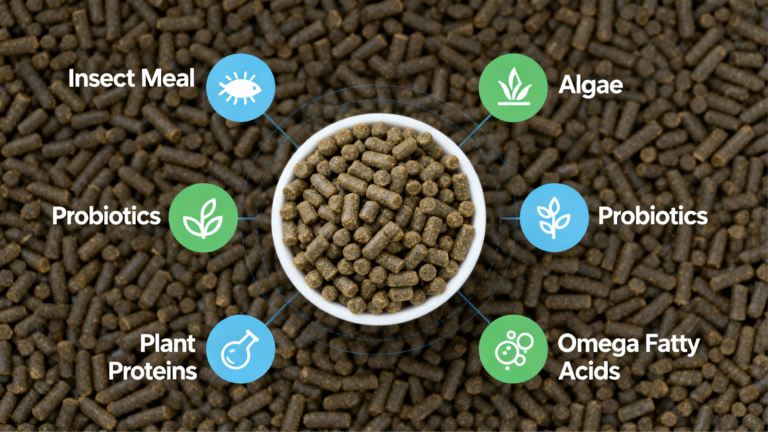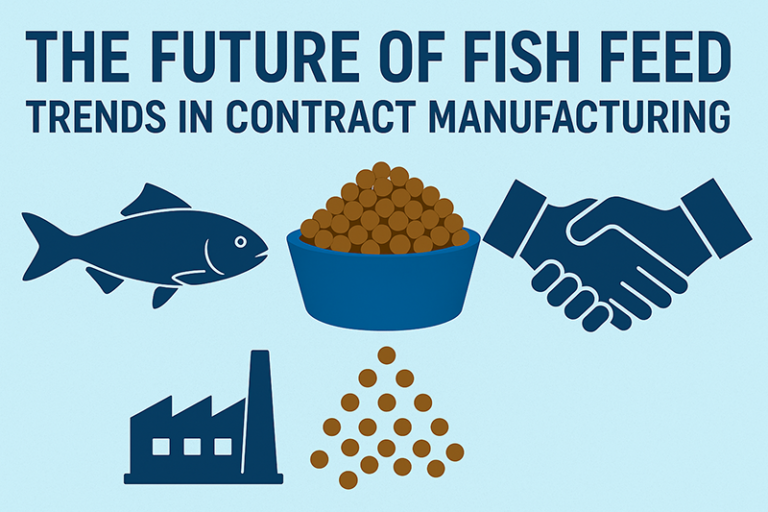

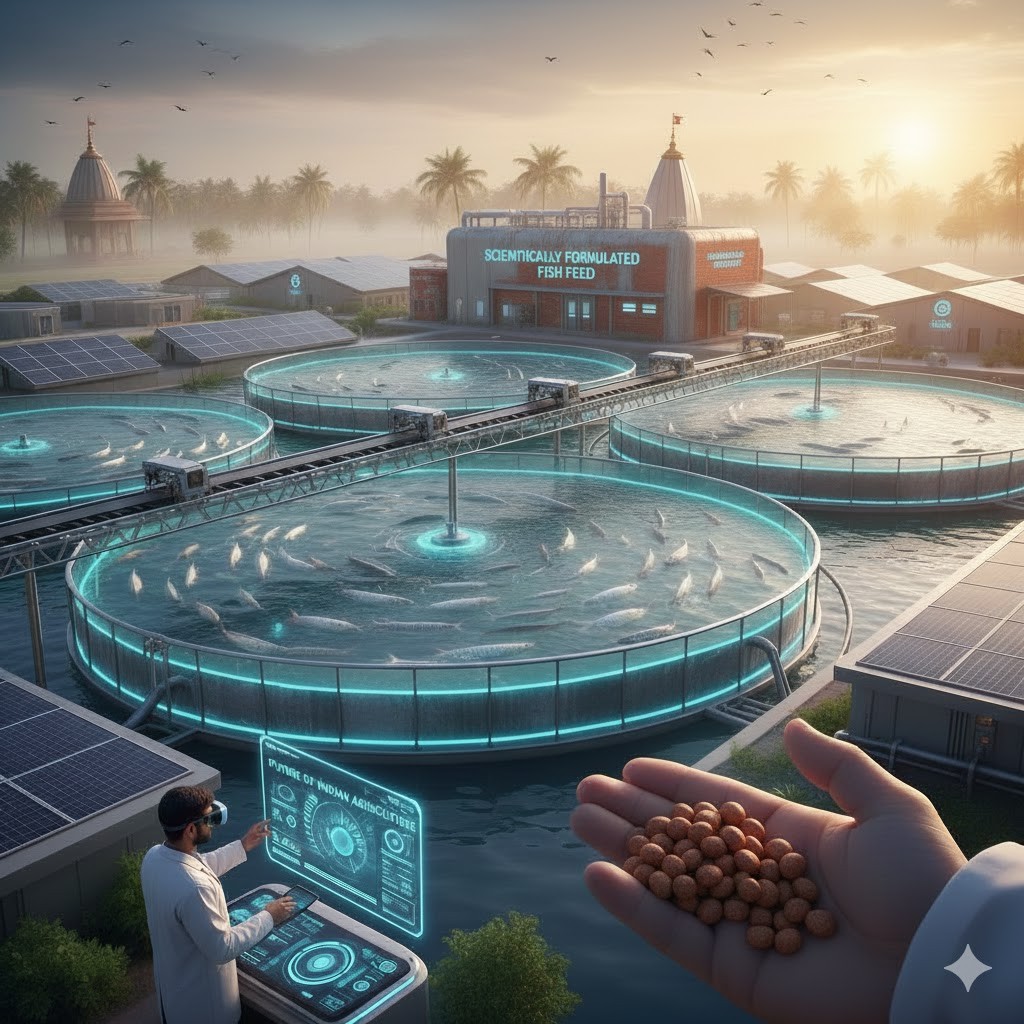
The aquaculture scene in India is booming like never before, and fish farmers are zeroing in on quality feed as the key player that influences growth, yield, and profitability. Today’s fish farming isn’t just about having enough feed; it’s all about being efficient, sustainable, and providing scientifically-backed nutrition.
In this blog, we’ll take a closer look at the five crucial features that are currently shaping the fish feed industry in India: scientifically formulated feed, nutrition tailored to specific species, improved feed conversion ratios (FCR), affordability, and eco-friendly advantages. These elements not only boost productivity but also promote long-term sustainability in Indian aquaculture.
Scientifically Formulated Floating Fish Feed for Higher Yield
One of the most significant changes in Indian aquaculture is the shift towards scientifically crafted floating fish feed. Unlike traditional sinking feeds or raw materials, this specially formulated feed guarantees that fish get a well-rounded mix of protein, fats, vitamins, and minerals essential for quick and healthy growth.
Floating feed also allows farmers to keep an eye on how much their fish are eating, which cuts down on waste and ensures the fish are getting the nutrition they need. This leads to higher yields, better growth rates, and lower mortality rates.
These science-based feed formulations are developed by analyzing fish metabolism, their specific needs, pond conditions, and various growth stages. This level of consistency helps farmers achieve reliable and stable production results, which is a real game-changer in the competitive world of aquaculture today.
Species-Specific Feed for Carp, Tilapia, Pangasius & More
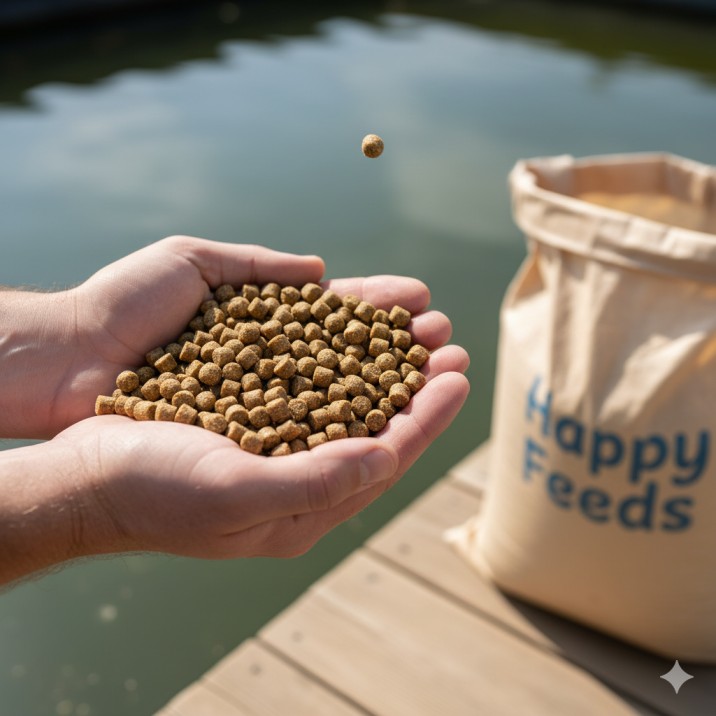
When it comes to feeding fish, one size definitely doesn’t fit all. Different species have unique nutritional requirements. For instance, carp thrive on high-energy floating feed, while tilapia do best with a protein-rich diet. Pangasius, on the other hand, needs specially formulated feed to support its rapid growth and enhance meat quality.
Using species-specific feed means that each fish gets the nutrients it needs based on its natural eating habits and biological makeup. This tailored approach leads to:
- – Faster growth
- – Stronger immunity
- – Improved fillet quality
- – Less feed wastage
By offering species-specific pellets, farmers can also diversify their ponds with a mix of carp, tilapia, pangasius, catfish, rohu, or mural, all while maintaining high feed quality.
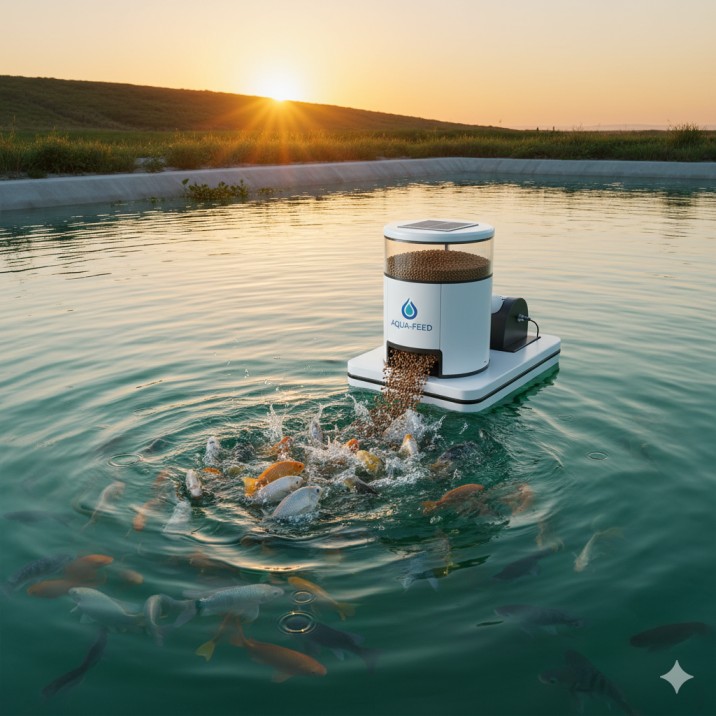
Boosting FCR with Nutrient-Dense, Water-Stable Pellets
Feed Conversion Ratio (FCR) is a crucial metric in aquaculture, as it measures how effectively feed is converted into fish body weight. A lower FCR translates to higher profitability.
Nutrient-dense and water-stable pellets improve FCR by remaining intact longer in water, preserving their nutrient value. In contrast, poor-quality pellets tend to break down, dissolve, and lose nutrients, which can hinder growth and increase feed costs.
High-quality pellets contribute to:
– Excellent digestibility
– Enhanced immunity
– Optimal growth rates
– Reduced feed waste
– Healthier ponds
With a better FCR, farmers can cut down on feed expenses while boosting their output, making their operations much more profitable.
Budget-Friendly Pricing for Indian Fish Farmers
Affordability is a key concern in India’s fish farming industry, especially for small and medium-scale farmers. A reliable fish feed brand should provide top-notch quality without breaking the bank—allowing farmers to balance their budget with performance.
Affordable, nutrient-rich fish feed enables farmers to:
– Lower production costs
– Boost profit margins
– Expand their operations
– Ensure sustainable farming practices
By considering the unique conditions and purchasing power of Indian farmers, cost-effective feed formulas are empowering thousands to achieve better results.
Eco-Friendly Feed for Cleaner Ponds & Healthier Fish
Sustainable aquaculture has become a top priority worldwide. With growing environmental concerns, fish farmers in India are making the switch to eco-friendly fish feed that promotes cleaner ponds and healthier water ecosystems.
Water-stable floating pellets help cut down on pond pollution by reducing feed waste. Cleaner ponds lead to:
– Better oxygen levels
– Fewer diseases
– Less reliance on chemical treatments
– Improved fish health and survival rates
Using eco-friendly feed not only benefits the fish but also enhances the entire pond ecosystem, making aquaculture more sustainable and environmentally responsible.
Why These 5 Features Matter for Indian Aquaculture
These five trends—scientific formulation, species-specific nutrition, improved feed conversion ratio (FCR), affordability, and eco-friendliness—are revolutionizing fish farming across India. They equip farmers with better tools, leading to improved results and greater long-term sustainability.
As India continues to boost its aquaculture production, embracing these modern feed solutions will be crucial for helping farmers enhance productivity and increase their income.
FAQs
1. What exactly is floating fish feed, and why is it considered better?
Floating fish feed is designed to stay on the water’s surface, which allows farmers to easily monitor how much their fish are eating. This not only cuts down on waste but also enhances digestion.
2. How does using species-specific feed benefit fish?
Different species of fish have unique nutritional needs. By using species-specific feed, you can promote faster growth, boost immunity, and improve overall health.
3. What does FCR mean in fish farming?
Feed Conversion Ratio (FCR) is a metric that indicates how effectively feed is converted into fish weight. A lower FCR signifies better performance and increased profitability.
4. Are water-stable pellets really that important?
Definitely! Water-stable pellets help prevent nutrient loss and keep the pond clean, which contributes to better growth and healthier fish.
5. Can you find affordable feed that’s still high quality?
Absolutely! Thanks to modern formulations, many brands can offer nutrient-rich feed at prices that are friendly to the budgets of Indian farmers.
Conclusion
The future of aquaculture in India is all about embracing high-quality, scientifically crafted fish feed that boosts growth, enhances efficiency, and safeguards the pond environment. With exciting advancements like tailored nutrition for specific species, better feed conversion ratios (FCR), and sustainable feeding options, Indian fish farmers can look forward to increased productivity and lasting profitability.
Selecting the right feed isn’t just a simple purchase—it’s a smart investment in achieving better farming results and paving the way for a brighter future for India’s aquaculture sector.
Thank you for reading 🙂