
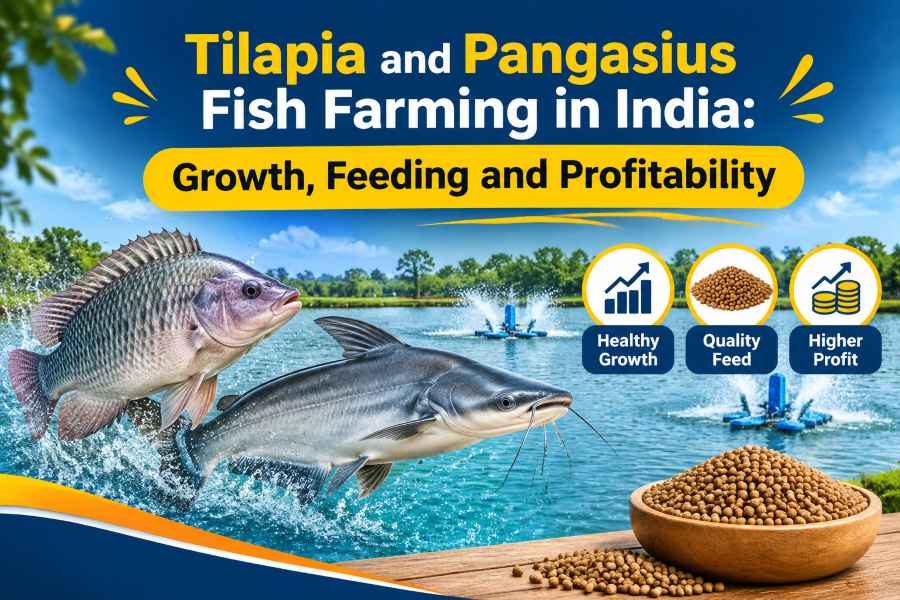
Fish farming is becoming a part of India’s agriculture and aquaculture scene. It’s creating opportunities for farmers, entrepreneurs, and commercial fish producers. Among the freshwater fish being farmed, tilapia and Pangasius are getting attention. These fish adapt well to farming setups, grow fast, and are good for intensive farming. As people want affordable fish protein, farmers are trying new methods to grow more fish, cut costs and make more money. Picking the right fish, keeping water clean and feeding them well are key to success. Tilapia and Pangasius can both be choices if you manage the farm right, use healthy young fish and feed them properly.
Tilapia and Pangasius Fish Farming in India: Growth Opportunities and Farming Methods
Tilapia farming in India is catching on with farmers. Tilapia can live in freshwater setups like ponds, tanks and some controlled systems. GIFT Tilapia, a type bred for better growth, is popular for commercial farming. Farmers should get young Tilapia from trusted hatcheries. Stocking the number of fish is important too. Many fish in one place can cause problems. Always follow India’s guidelines for Tilapia farming and local fisheries rules.
Pangasius farming is another option. This fish grows quickly and is liked by customers. Does well in commercial ponds. It needs water management, aeration and feeding. Farmers like Pangasius because it can be raised in large quantities if conditions are right. Getting young fish, preparing ponds well and keeping the right number of fish per pond helps survival and production.
Each fish has its benefits. Tilapia is good for farmers who want to grow a mix of fish. Pangasius is better for those planning big-scale production. How much money you make depends on many things: local demand, quality of young fish, feed costs, water, electricity and how well you run the farm. Before choosing a species, consider what you have and which markets are nearby. India’s fisheries sector is also pushing systems like Recirculating Aquaculture Systems (RAS) and Biofloc technology to make farming more efficient. Press Information Bureau
Importance of Quality Fish Feed for Tilapia and Pangasius Growth
Fish feed is one of the important parts of farming. It affects how fast fish grow, their health and how efficiently you use feed. Both Tilapia and Pangasius need a diet with protein, carbs, fats, vitamins and minerals. Feed should match the fish’s size, species and growth stage. Farmers should pick quality floating or sinking feed based on how the fish eat.
Tilapia can eat both pellets and natural food in the pond. For commercial farming, they need extra feed to grow steadily. Young fish need more nutrients than bigger ones. So choose feed that matches their growth stage. Feed them regularly. Feed them in the right amounts to avoid waste and keep the pond clean.
Pangasius needs easy-to-digest pellet feed. The feed should have the protein and energy for the fish’s size and environment. Watch how much they eat and adjust feed based on their appetite, weight and water conditions. Don’t overfeed. Leftover feed can rot in the pond, add waste and make water quality worse.
Floating feed is helpful because you can see fish eating at the surface and adjust feed amounts. Sinking pellets may work too, depending on how the fish eat and the system used. Choosing the feed helps you use feed better, keeps fish healthy and saves money. Also check water often for oxygen, pH, ammonia and temperature. The Department of Fisheries suggests using feeds made for each species and feeding responsibly to improve farm care. Department of Fisheries
For results, buy feed from trusted manufacturers that focus on nutrition and consistent pellet quality. Happy Feeds offers fish feed for aquaculture businesses wanting to support fish growth with quality nutrition. Pick the feed for Tilapia, pangasius, and other commercial fish to keep feeding routines steady and boost farm output.
Tilapia and Pangasius Fish Farming Profitability: Costs, Management and Best Practices
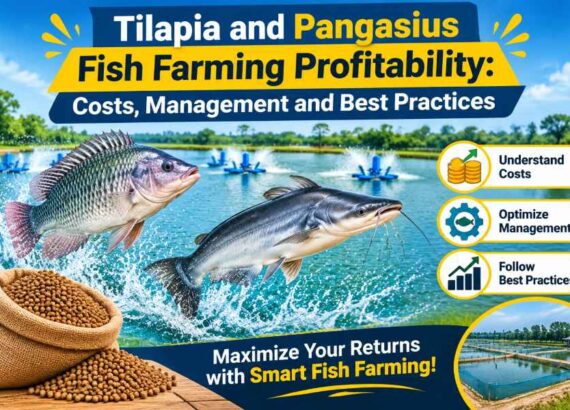
Profitability is a reason why farmers are trying Tilapia and Pangasius farming. Both fish offer business opportunities. Making money needs planning and smart management. Costs include feed, young fish, pond prep, labour, electricity, water and transport. Feed is a cost, so feeding smartly is key to success.
To boost profits, start with a business plan. Think about pond size, how many fish to stock, expected production and what the market wants. Buy young fish from reliable hatcheries to avoid low survival or uneven growth. Keep stocking levels right to avoid overcrowding. Regularly check fish weight to know how much to feed.
Water quality matters a lot. Check dissolved oxygen, pH, ammonia and other water levels often. Use aeration, change water when needed and clean ponds regularly to keep fish healthy. Keep biosecurity to spot diseases early to reduce losses. Always talk to experts before giving any medicine.
How you harvest and sell also affects profit. Know the preferred fish size, what customers want and who buys fish in your area. Build links with wholesalers, retailers, processors and local markets for sales. Handle, store and transport fish well to keep them fresh and reduce waste after harvest.
New technologies like Biofloc, RAS, automated feeding and digital water monitoring are helping farming. These need technical know-how, money and regular checks. Choose farming methods based on your budget, water access, skills and goals. With planning, quality fish, balanced feed and responsible care, Tilapia and Pangasius farming can be strong business options in India’s growing aquaculture sector.
Conclusion
Tilapia and Pangasius farming offer chances for farmers who want to start or grow their aquaculture business in India. Success comes from using young fish, keeping water clean, stocking the right amount and feeding properly. Good fish feed helps fish grow, uses feed efficiently, and keeps farms productive. Using methods and smart management can build a sustainable farm. Choosing trusted feed from companies like Happy Feeds can help with feeding and long-term goals.
Frequently Asked Questions (FAQs)
- Is Tilapia fish farming profitable in India?
Yes, tilapia farming can be profitable in India if farmers use quality fish, balanced feed, proper stocking and good water care. Actual profit depends on costs and local market demand.
- Is Pangasius suitable for commercial fish farming?
Yes, Pangasius is good for commercial freshwater farming. It grows fast. It is in demand. Prepare ponds well, use young fish and feed regularly for best results.
- What is the best feed for Tilapia fish farming?
Balanced commercial pellet feed with protein, fats, vitamins and minerals is best for Tilapia. Pick feed based on fish size, growth stage and farming setup.
- How does quality fish feed improve Pangasius growth?
Quality feed gives Pangasius the nutrients it needs to grow and stay healthy. Good feeding helps keep fish strong and cuts waste.
- What factors affect profitability in Tilapia and Pangasius fish farming?
Main factors are the quality and cost of fish feed, stocking density, water quality, survival, harvest size, labour, and market prices.
Thanks for reading
……………………………………………………………………………………………………………………………………………….
Click here to read this: How to Choose the Right Floating Fish Feed
Visit our product page to see all products: Click here to visit
Need help choosing feed? Use our Free Feed Calculator
Visit: Dust Fish Feed Products