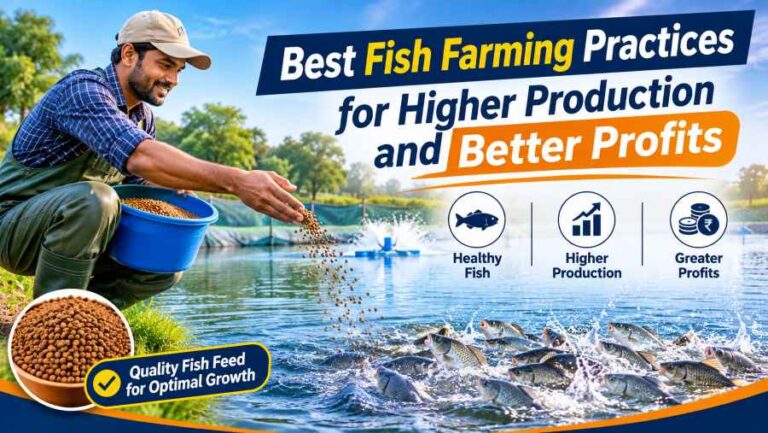

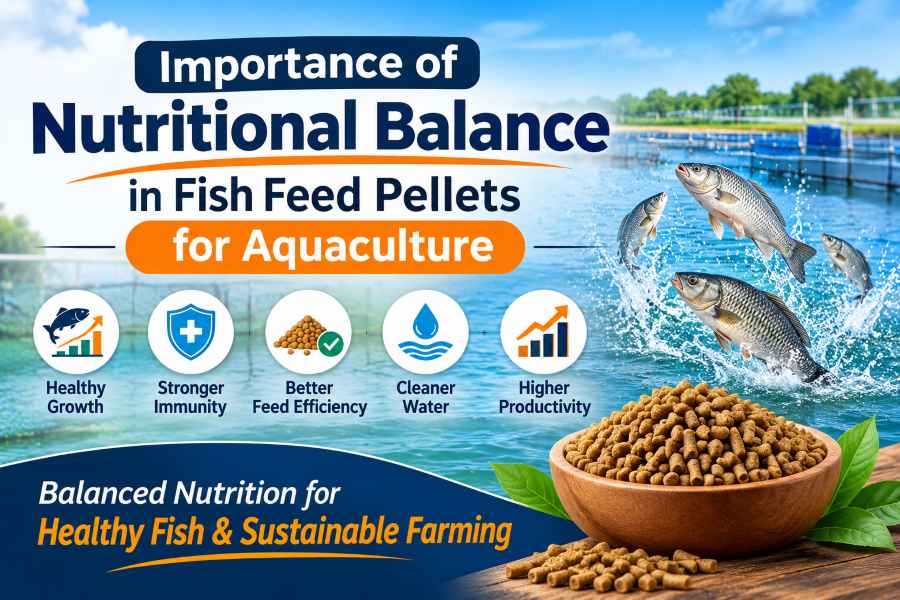
Aquaculture is becoming part of the global food system, providing a steady supply of fish protein and supporting commercial fish farming. As demand for fish rises, farmers focus on better feeding habits, improved fish nutrition, and better fish feed pellets. A main factor for aquaculture success is keeping the nutritional balance in fish feed. A made fish feed pellet gives the needed nutrients that help fish grow well, boost immunity, make feeding more efficient and raise farm productivity.
Fish need a mix of proteins, fats, carbohydrates, vitamins and minerals to keep their bodies working and grow healthily. When these nutrients come in the mix, fish can use their feed more effectively and grow stronger. Nutritionally balanced fish feed pellets also cut down on wasted feed. They also help keep water cleaner in aquaculture. So picking high‑quality aqua feed is an investment for fish farmers who want better production and lasting farming results.
Understanding the Importance of Nutrients in Fish Feed Pellets
Nutritional balance is the basis of fish feed making. Each fish species needs a diet based on size, eating habits, growth stage and where it is farmed. Fish feed pellets must hold the mix of nutrients to satisfy these needs and help fish grow well. Among all needed nutrients, protein is very key for fish growth because it builds muscle, repairs tissue and creates body compounds.
Protein‑rich fish feed pellets give the acids that fish need to build body tissues and keep normal metabolism. Fish like Rohu, Catla, Mrigal, Tilapia and Pangasius need diets that are made right for their nutrition and growth stages. In addition to protein, fats and lipids give energy that helps fish move, metabolise, and do other body functions. Essential fatty acids also help cells grow healthily and aid nutrient absorption.
Carbohydrates are also a part of fish feed pellets because they give energy and help make the pellets stronger when they are made. But fish use carbohydrates in different ways, so the right mix is very important. Vitamins and minerals are just as needed because they help immunity, bone growth, enzyme work and many body processes. Vitamins A, C, D and E, plus minerals like calcium, phosphorus, zinc and iron, help keep farmed fish healthy and growing.
A balanced mix of these nutrients guarantees that fish get nutrition without too much or too little. That is why nutritional quality is a factor when picking fish feed pellets for commercial aquaculture.
How Nutritionally Balanced Fish Feed Pellets Improve Aquaculture Productivity
Good fish feed pellets have an effect on fish growth, how well fish use feed, fish health and the whole farm’s performance. When fish get the nutrients in the right amounts, they turn feed into body weight more efficiently. This makes the feed conversion ratio (FCR) better, which shows how well fish use the food they eat to grow. A better FCR helps farmers lower feeding costs and raise production efficiency.
One big advantage of balanced fish feed is that fish grow better. Fish that get protein, energy, vitamins and minerals usually have a better chance to grow healthy tissues and maintain normal body functions. Balanced nutrition is very important when fish are young, because they need the food to grow. Choosing the pellet size and the correct nutrition for fry, fingerlings, and growing fish makes sure the feed fits their changing needs.
Another key benefit is that fish have immunity and better resistance to nutritional stress. Vitamins, minerals, essential fatty acids and good proteins support body functions that keep fish healthy. Poor nutrition can slow growth and lower performance. Make fish more likely to get sick. That is why giving balanced aqua feed is a vital part of good fish farming.
Nutritional balance also helps keep water cleaner. Bad feed, overfeeding and poor use of nutrients can create more uneaten food and waste in ponds and tanks. Fish feed pellets that have the right nutrition and are easy to digest reduce waste when farmers feed correctly. Floating and sinking fish feed pellets give feeding benefits based on fish type and how they eat. Floating pellets let farmers watch fish eat, while sinking pellets are good for fish that like to feed at water levels.
Furthermore, consistent feed quality helps farmers run their farms in a way that’s easy to plan. Farmers can watch how fish grow, change the food they give and make better decisions about planning production. By choosing fish feed pellets, aquaculture businesses can use resources better, help fish stay healthy and work towards more profitable ways to farm.
Choosing the Right Fish Feed Pellets for Sustainable Aquaculture
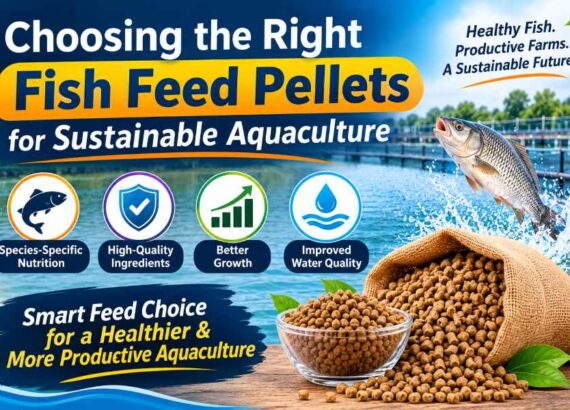
Selecting the right fish feed pellets requires more than looking at protein percentages or buying the cheapest product. Farmers should think about the food needs of their fish, the quality of ingredients, how the pellets look, how well they are digested and how they are made. A good fish feed recipe should give nutrients in the right amounts while staying the same each time.
The first thing to think about is the food needs of each type of fish. Rohu, Catla, Mrigal, Tilapia and Pangasius eat differently. Need different nutrients. So farmers should pick fish feed pellets that are made for the type of fish they keep. The size of the fish also matters because fry and fingerlings usually need smaller pellet sizes and nutrient levels than adult fish.
The second thing to think about is the quality of materials used to make fish feed pellets. Good protein sources, oils, carbs, vitamins and minerals give the final product good nutrition. Processing and checking quality also help keep the pellets stable, stop too many tiny bits and keep nutrients when feeding.
Farmers should also know the difference between floating and sinking fish feed pellets. Floating fish feed is useful to see how fish eat and spot if there is much food. Sinking feed is right for fish that like to eat below the surface. Picking the kind can make feeding work better and cut down on waste.
Storage and handling are just as important to keep fish feed pellets good. Pellets should be kept in a dry and well‑ventilated spot, away from direct sun and dampness. Bad storage can make the feed less fresh and lower its nutrition. Farmers should also follow feeding times, not give too much food and watch fish growth and water conditions often.
Happy Feeds knows how important good nutrition is for aquaculture. Picking fish feed pellets and keeping good feeding habits can help farmers grow healthier fish stocks and get better results from farming. By focusing on nutrients, good ingredients and steady feed management, aquaculture businesses can move to more efficient and sustainable fish production.
Conclusion
Balanced nutrients in fish feed pellets are key for fish growth, better feed conversion, stronger immunity and higher aquaculture productivity. Proteins, fats, carbs, vitamins and minerals each do jobs in fish growth, so having the right mix is needed for good fish nutrition. Choosing high‑quality fish feed pellets that match the type of fish, size and growth stage can help farmers waste feed and work better. As aquaculture keeps growing, putting money into fish feed pellets and careful feeding habits will stay vital for sustainable fish farming. Happy Feeds backs the value of fish feed pellets in building a healthier and more productive aquaculture world.
Frequently Asked Questions (FAQs)
- Why is nutritional balance important in fish feed pellets?
Nutritional balance makes sure fish get the proteins, fats, carbs, vitamins and minerals that they need for healthy growth, strong immunity, good metabolism and overall development.
- Which nutrients are essential in high-quality fish feed pellets?
The main nutrients are proteins, essential amino acids, lipids, fatty acids, carbs, vitamins and minerals. Each one helps the body do its job and keeps fish growing strong.
- How do balanced fish feed pellets improve fish growth?
Balanced fish feed pellets give the needed nutrients and energy that help muscle grow, repair tissue, keep metabolism running and use feed well. They can also help make the feed conversion ratio better when used right.
- What is the difference between floating and sinking fish feed pellets?
Floating fish feed pellets stay on the top of the water, letting farmers see how fish eat. Sinking pellets drop below the surface and are good for fish that like to eat.
- How can farmers choose the fish feed pellets for aquaculture?
Farmers should think about the type of fish, how big they are, the size of the pellets, how good the protein is, what nutrients they have, how well they are digested and the quality of the feed. Picking the fish feed recipe will help fish grow strong and keep farming efficient.
Thanks for reading
……………………………………………………………………………………………………………………………………………….
Click here to read this: How to Choose the Right Floating Fish Feed
Visit our product page to see all products: Click here to visit
Need help choosing feed? Use our Free Feed Calculator
Visit: Dust Fish Feed Products