
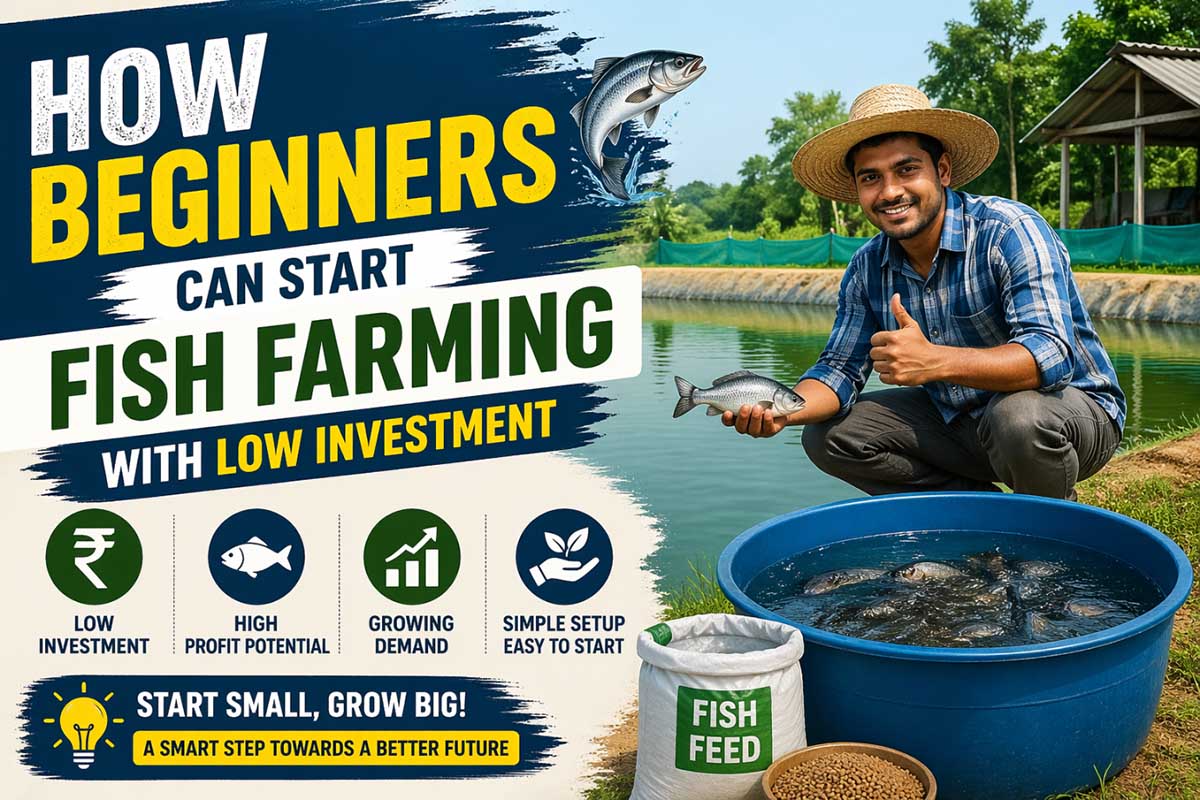
Fish farming (also called aquaculture) is quickly becoming a large part of India’s economy. With high global demand for fish in both domestic and international markets (and growing daily), even people new to fish farming can get started on a small investment and grow their business over time.
This guide to fish farming will provide samples to show you how much you can expect to spend to get set up.
🌱 Why Fish Farming is a Good Business for Beginners
Setting up a fish farming operation is simple for new farmers because the start-up costs aren’t high compared to other types of farms. Fish rearing has other advantages as well:
• You can receive a return on your investment fairly quickly (usually within six to
8months)
• There’s a lot of demand for fish in today’s market.
• You can raise fish from just a few dozen to thousands.
• The government supports and subsidises fish farming.
With proper planning and good techniques, even a small-scale fish farming operation will generate income continually.
Step 1: Choose the Right Location
The initial step involves choosing an appropriate area for your aquaculture project. The size of the pond/farm is not a major factor; in fact, many new aquaculture operations begin with:
∗ A small pond
∗ Backyard tank(s)
∗ Man-made tank(s)
The site must have:
∗ Clear water source
∗ Good drainage system
∗ Easy access to transportation
Existing dirt (i.e., unused farmland, vacant lot) can often be converted to an aquaculture site with little investment.
Step 2: Select the Right Fish Species
Making a choice regarding which fish to use is an important step to success in aquaculture. New" aquaculturist should look at fast-growing and lower maintenance fish to start with.
In India, four species are frequently used, including:
• Tilapia – Fast-growing and one of the more profitable species of fish.
• Catla – Widely available in Indian ponds.
• Rohu – One of the fish with the greatest demand.
• Pegasus – Good choice for commercial aquaculture.
It is suggested to begin with only 1 or 2 species to lessen your management burden.
Step 3: Prepare the Pond or Tank
Expensive infrastructure is not necessary to begin a fishing operation. A basic pond installation includes:
1. Cleaning the pond.
2. Removing unwanted aquatic plants and predators
3. Maintaining a proper water depth (1-2 m).
If you do not have enough land, you can use inexpensive tarpaulin tanks or plastic-lined ponds.
🌊 Step 4: Use High-Quality Fish Food
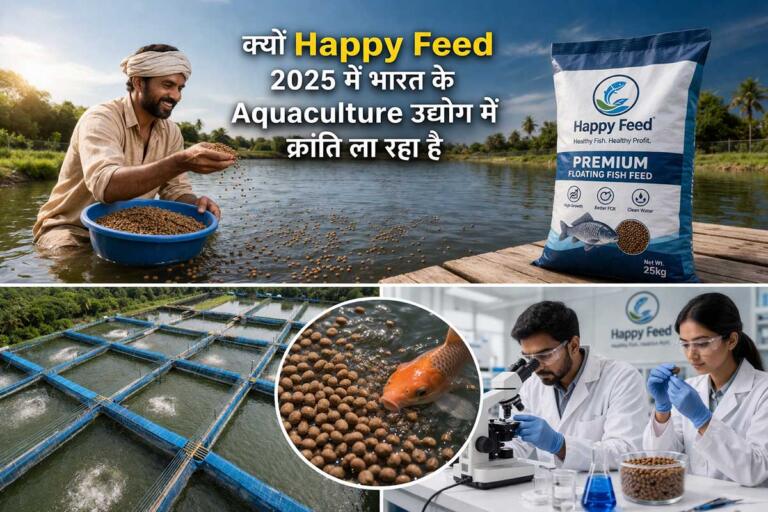
The rate of fish growth is highly dependent on the feed consumed by the fish.
High-quality feed will provide you with more rapid growth and, therefore, higher profits.
The most common types of fish feed are:
1. Floating fish food (easy to measure the amount consumed).
2. Sinking pellet-style food.
3. Homemade fish food (save money).
Feeding your fish a high-protein diet will also give you faster fish growth and reduce the time from stocking fish to selling them.
⏰ Step 5: Follow a Proper Feeding Schedule
Fish health and water quality can be affected by overfeeding or underfeeding fish. Generally speaking, consistency in feeding will result in fish growing at a faster rate and producing less waste; it is suggested that this will happen every day as follows:
• Generally, most fish should be fed about 2 to 3 times during the day.
• Feed fish according to their size.
• Monitor the amount of uneaten food left behind by fish after they eat.
🧪 Step 6: Keeping Water Quality Up
Water quality is very important for fish health. New fish keepers should check certain things to tell them about water quality. These are the amount of oxygen in the water, the temperature of the water, and how clean the water is. Freshening up the water often will keep fish healthy and dropping less often; too many fish in the same tank could make the fish unhealthy or die.
💰 Step #7 Start Small and Grow Your Fish Farm
When you are a new fish farmer, you can make the mistake of purchasing too many fish at one time or spending your entire budget before you have had time to learn about pond maintenance. Instead of this, start with a small fish farm and learn how to manage your pond, then grow your fish population.
Step #8 Understand the Cost and Profit from Your Fish Farm
You can start a low-cost fish farm with as little as ₹20,000 to ₹50,000 (depending on fish species and pond size) for a new pond. Some basic costs and expenses will be incurred: pond construction/repair, fish (fingerlings), feed (maintenance) and how well the farm is managed, but all can be recovered within the first cycle.
Common Mistakes to Avoid
Beginners should avoid these common errors:
- Overstocking fish
- Using low-quality feed
- Ignoring water quality
- Lack of proper planning
Learning from these mistakes early can save both time and money.
🚀 Fish Farming Success Tips
- Always source fish seed from reputable traders.
- Feed should be of high quality for optimal fish growth.
- You should keep track of feeding schedules and fish growth.
- Stay abreast of innovative farming methods.
The foundation for your long-term success will be based on persistence and consistency.
Conclusion:
There is much to gain when starting fish farming with little outlay of capital. As long as you have a solid plan, use good feed, and are self-educated, anyone can develop a profitable fish farming business.
The trick is to start small, continually learn, and expand your enterprise over time. With the number of fish consumed growing, aquaculture has become a viable way to break into the agriculture industry, and the aquaculture industry provides tremendous potential for all those interested.
FAQs
1. What is the investment for fish farming?
A beginner can set up a fish farm for ₹20,000–₹50,00,0 depending on the size of the farm.
Which are good fish for beginners?
Fish such as Tilapia, Rohu and Catla are suitable for beginners as they require less maintenance and grow to market size quickly.
How long will it take for me to make a profit?
Most fish can be harvested in 6–8 months, depending on how well they are fed and managed.
Is fish farming a profitable business in India?
Yes, fish farming is very profitable because of the growing demand for fish and support from the government.
What is the biggest problem fish farmers have?
For beginners, the main issues to address are maintaining good water quality and providing adequate feed.
Thanks for reading
Click here to read this: How to Choose the Right Floating Fish Feed
Visit our product page to see all products: Click here to visit
Need help choosing feed? Use our Free Feed Calculator
Visit: Dust Fish Feed Products