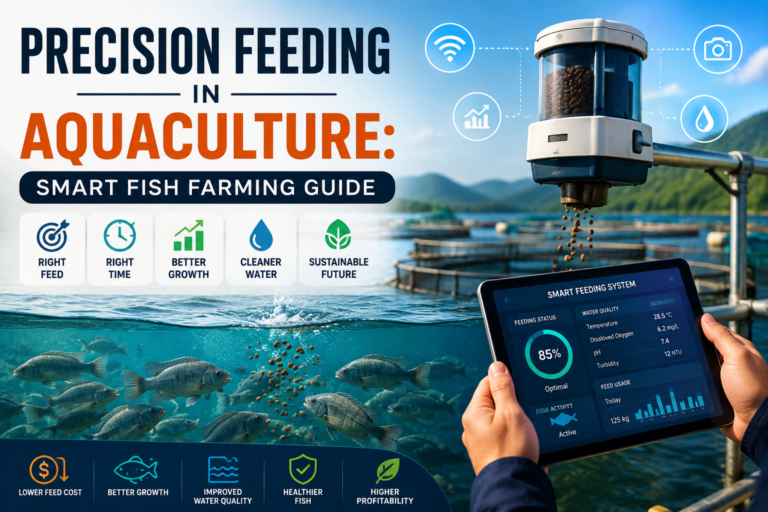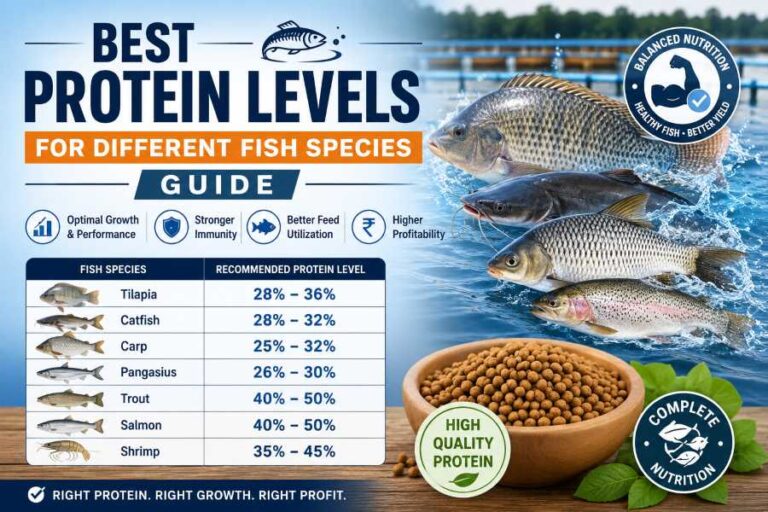

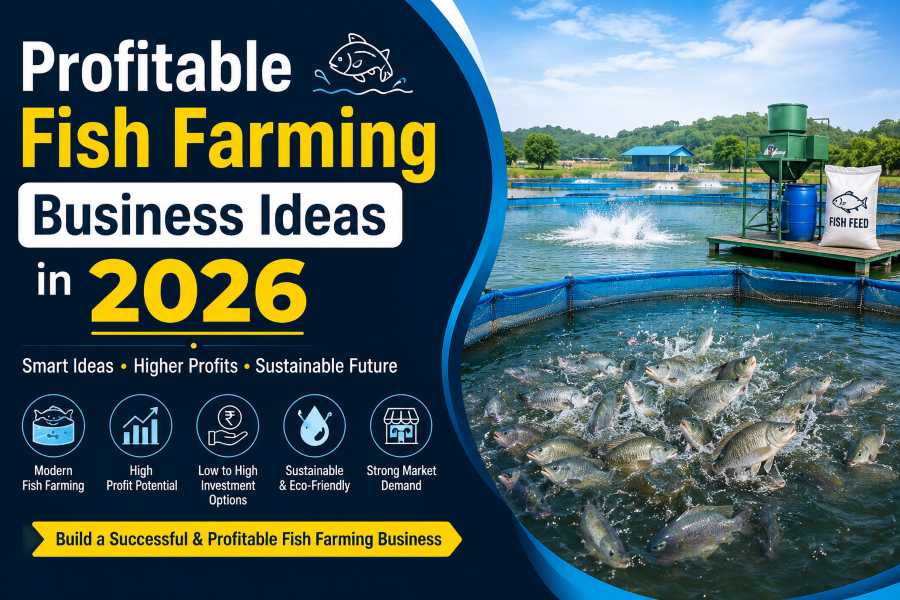
Fish farming, also called aquaculture, has become a business opportunity for people who want to make money in a sustainable way. More people are eating fish because it is a source of protein. Improvements in fish farming technology and better access to fish food make starting a fish farming business an idea in 2026.
Modern fish farming is not about old ponds. People can try biofloc systems, tanks, aquaculture that works with breeding fish for decoration, hatcheries and other special ways to make money.
If you want to start a fish farming business, here are some of the ideas to think about in 2026.
Why Start a Fish Farming Business in 2026?
Fish is eaten a lot because it is full of protein and other good things. As more people are born and more people want to eat fish, fish farming can help get fish to the market.
Some good things about fish farming are:
Many different types of fish to choose from
Business plans that fit money amounts
Options like ponds, tanks or special systems
Chances to sell locally or to companies
More ways to make money besides just selling fish
More use of modern fish farming technology
Possible to mix with farming.
Profit can be hard to get. Fish food prices, how well the fish live, water quality, how much fish cost, handling diseases, where the farm is and how it is run can all affect how much money you make.
- Biofloc Fish Farming
Biofloc fish farming is a way that people can try in 2026. It uses living things in the water to reuse nutrients and can let fish live in a more controlled place.
The system can use water if it is done right, but it needs careful checking of oxygen, pH, temperature, air and other water things.
Fish that are often used in biofloc systems include tilapia and some kinds of catfish, depending on rules and the place where it is done.
Benefits of Biofloc Farming
Using space better
Using water when it is done right
Good for controlled farming
Can hold more fish in the same space
Working where there is not much pond space
Biofloc farming can make money, but new people should get help learning about it before they spend money because bad air or water can hurt all the fish.
- Tilapia Fish Farming
Tilapia is often used in fish farming because it grows fast and can live in different places.
Tilapia can live in ponds, tanks, cages and some special ways to raise fish. Making money in this way depends on picking fish, giving them the right food, keeping the water clean and finding a place to sell.
Before starting, people should check the local rules about which types of fish are allowed and what kinds are best.
- Catfish Farming
Catfish farming can be a way to make money, especially in places where people like to eat catfish.
Depending on the kind of catfish and where it is done, catfish can live in ponds, tanks and other systems.
Important things include:
Healthy baby fish
How many fish’re in the pond
Good food
Keeping the water clean
Stopping sickness
Getting the fish to market and selling them
People should pick types that are allowed for the environment and that people want to buy in their area.
- Carp Fish Farming
Carp farming is still a way to get fish, especially in Asia.
Types like rohu, catla and mrigal are often used in ponds in India. People can use types of fish together to use pond space better.
Advantages of Carp Farming
People want to buy carp.
Good for ponds
Can have types of fish in one pond
Know how to do it
Works for small and big farms
For people who have ponds, carp farming can be a good way to start making money in fish farming.
- Ornamental Fish Farming
Fish farming does not have to be about eating. People can raise fish for decoration, like in homes and stores.
Popular kinds include:
Guppies
Goldfish
Mollies
Angelfish
Koi
Tetras
This business needs to know about breeding, how to keep the water clean, how to stop sickness, and how to pack and send the fish safely.
High-quality or rare kinds can sell for more, making this a good idea for people who have space and special skills.
- Fish Hatchery and Fingerling Business
By raising fish to sell, people can start a place that gives baby fish to other fish farmers.
Big fish farms need baby fish. This creates a chance to make money in the fish farming world.
A hatchery business may include:
Keeping adult fish
Breeding
Egg hatching
Taking care of baby fish
Keeping baby fish
Growing them
Packaging and delivering
It is important to know a lot because the health of the baby fish can affect how happy customers are and how often they come back.
- Integrated Fish Farming
Integrated fish farming combines raising fish with farming.
For example, fish can live with crops or animals where waste and food can be used better. The goal is to use resources and make more money from farming.
Possible good things include:
Ways to make money
Using land and water better
Using food better
Not depending on one thing.
More types of farming
But the mix should be planned carefully to keep things clean, safe and good for the fish.
- Recirculating Aquaculture System (RAS)
A Recirculating Aquaculture System is an advanced way to raise fish. Water is. Used again in the system.
RAS uses systems to keep the fish happy. It can help in places where there is no land.
Why Think About RAS?
More control over the environment
Using water than some other systems
Can work where there is not much space
Easier to check some things
Can run all year round
RAS costs more to start, uses more energy, needs more knowledge and has more work. A good plan is important before starting.
- Fish Feed Supply Business
You can be part of the fish farming world without raising fish yourself.
Feed is a part of the cost for fish farming. Farmers need food that is right for the fish.
Entrepreneurs can try:
Selling fish food
Supplying food to bigger businesses
Selling food in stores
Delivering food to farms
Selling food through networks
Knowing about what fish need to eat and working with companies can help build trust with customers.
- Fish Processing and Extra Products
Fish farming can keep going after the fish are caught. Processing fish can add value and bring in different customers.
Possible products are:
Clean and ready to cook fish
Fish cut into pieces.
Frozen fish
fish
Fish that is ready to cook
Fish that is packaged
Keeping fish cold, following food safety rules, packing, storing and getting the right papers is important for this type of business.
How to Make a Fish Farming Business More Profitable
Picking the plan is just the first step. Good management decides if a fish farming business can keep making money.
Pick the Right Fish
Check what people want: the weather, water, how fast the fish grow, what they eat, where to get them and rules before choosing a type of fish.
Use Fish Food
The food you give the fish affects how fast they grow, how healthy they are and how much you can make. Pick the food for the type of fish, how big they are, the way they are raised and what they need.
Keep Water Clean
Check things like:
Oxygen in the water
pH level
Temperature
Ammonia
Nitrite
How clear the water is or other important things for the system
Bad water can make fish eat less, grow slower, feel stressed and die.
Keep the Number of Fish
Putting too many fish in a place can make them fight, make the water worse and make sickness more likely. The number should match the type of fish and the way they are raised.
Find Buyers Before You Sell
Do not wait to find customers when the fish’re ready.
Potential buyers include:
Local fish markets
Restaurants
Hotels
Wholesalers
Stores
Supermarkets
Fish processors
Direct customers
Building relationships with buyers before the fish are ready can help you sell them more easily.
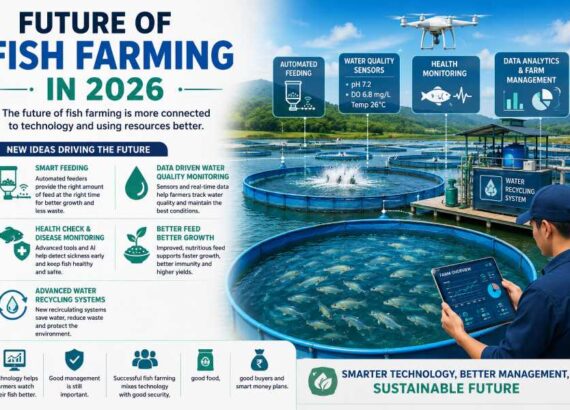
Future of Fish Farming in 2026
The future of fish farming is more connected to technology and using resources better.
New ideas include feeding, checking water quality using data to run farms better, fish types checking for sickness, better food and better systems to reuse water.
Technology can help farmers watch their fish better. Good management is still important. Successful fish farming businesses will mix the technology with good security, good food, good buyers and smart money plans.
FAQs
- Is fish farming good for making money in 2026?
Fish farming can be good for making money when you control the costs, how well the food works, how many fish live, how fast they grow and how much you can sell them for. Actual profits can change based on the type of fish, the way it is raised, and how big it is. The local market.
- What kind of fish farming is best for people?
Raising fish in ponds with types that are known in the area may be easier for some people than advanced systems. The best choice depends on the land, water, money, training, rules and what people want to buy.
- How much money do you need to start fish farming?
The money needed can be different. A small pond can cost less than a big biofloc or RAS. Make a plan with everything like buildings, baby fish, food, electricity, workers, water, health and selling.
- What are the main dangers in fish farming?
Big dangers include sickness, bad water, high food costs, not enough fish live bad weather, problems with equipment, changing prices, and not having people to buy the fish.
- How can I make money from fish farming?
Focus on stocking material, proper feed, good feed conversion, water-quality management, disease prevention, survival rates, efficient harvesting, record keeping and strong market connections. Diversifying into hatcheries, feed supply or processing may create revenue opportunities.
Conclusion
Fish farming offers business opportunities in 2026 ranging from traditional carp and tilapia production to biofloc farming, ornamental fish breeding, hatcheries, RAS fish feed distribution and value-added processing.
The profitable model is not always the most technologically advanced one. The right choice depends on your investment capacity, available space and water, technical knowledge, target species, local regulations and customer demand.
Before investing, conduct a feasibility study, understand the local market, prepare a realistic financial plan and get appropriate aquaculture training. Starting with a small scale and expanding based on proven results can help reduce financial and operational risks.
With production management, responsible farming practices and a reliable sales strategy, aquaculture can become a scalable business opportunity in 2026 and beyond.
Thanks for reading
……………………………………………………………………………………………………………………………………………….
Click here to read this: How to Choose the Right Floating Fish Feed
Visit our product page to see all products: Click here to visit
Need help choosing feed? Use our Free Feed Calculator
Visit: Dust Fish Feed Products