
Table of Contents
- Introduction
- Why Fish Feed Pellet Size Matters
- Understanding Fish Feeding Behavior
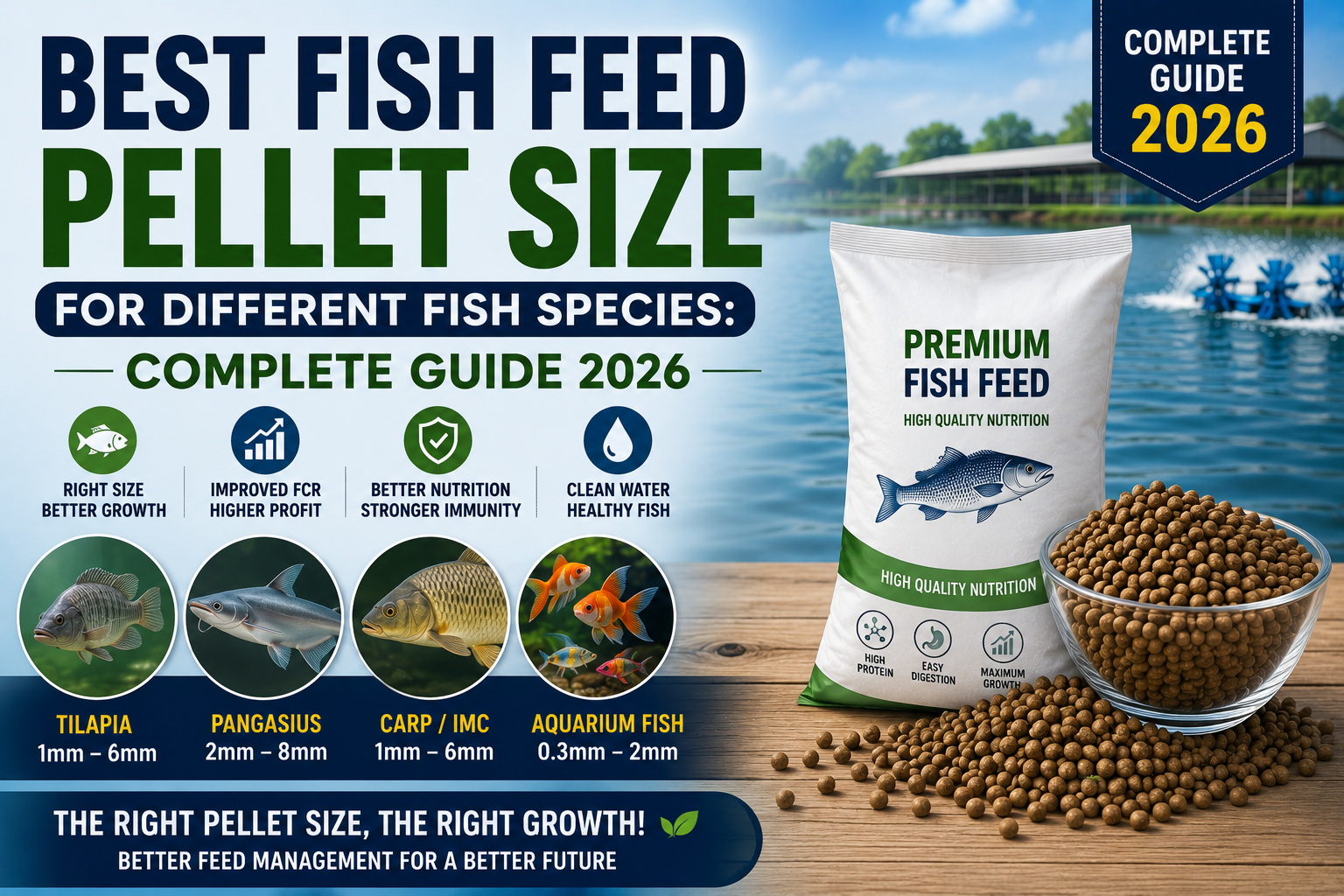
- Best Pellet Sizes for Different Fish Species
- Pellet Size Guide for Tilapia
- Pellet Size Guide for Pangasius
- Pellet Size Guide for Carp and IMC
- Pellet Size Guide for Aquarium Fish
- Common Pellet Size Mistakes
- How Pellet Size Affects Feed Conversion Ratio
- Choosing Quality Aquafeed
- Conclusion
- FAQs
Best Fish Feed pellet Selecting the size for fish feed is one of the most significant aspects of aquaculture today. Many aquaculture producers focus primarily on the nutrition of their aquaculture diets. Still, most do not factor in what type of pellet will suit the specific species they are raising.
An aquaculture diet with excellent nutritional qualities will yield little to no benefits to the producer unless the size of the pellet utilized corresponds to the species raised.
Many different factors will influence what size of food pellets will best suit a fish species, however, the growth stage and type of aquaculture species will have the greatest impact.
Feeding fish pellets that are too large will make it difficult for fish to consume them, and feeding fish pellets that are too small will lead to wasted feed as well as diminished growth rates due to reduced food consumption.
The leading aquaculture feed suppliers and feed manufacturers in India are constantly working on the development of appropriate sizes to promote appropriate fish feeding, growth rates, and profit for aquaculture producers. By comprehensively designing and analyzing aquaculture diet feeds based on fish size and species, farmers can maximize their production and their feeding expenses.
Why Fish Feed Pellet Size Matters
Different fish species behave differently when they eat based on their provenance (tilapia, for example, are bottom feeders and won’t go after a pelleted fish food that floats at the top). This means that fish will grow consistently and successfully only when they have access to a correctly-sized pelleted food.
If the pellet size matches the fish feeding patterns, then fish will:
- Eat the feed
- Waste less feed
- Digest their food more easily
- Grow faster
- Achieve a higher feed conversion rate
- Maintain the quality of water in their pond.
Fish that are able to easily consume pellets have been shown to grow more consistently and reliably.
It is essential for fish farmers to understand the feeding habits of the fish species they are going to feed before selecting the size of their fish feed pellets.
for example: tillaps eat from the surface, pangasius eat from the middle level of water and carp eat from the bottom level of water. However, the majority of aquarium fish require small sized fish foods due to their smaller mouth size. To identify the appropriate pellet size, fish farmers must consider the size of a fish’s mouth, and also that fish have very specific feeding preferences, which relate to their natural feeding habits.
Best Pellet Sizes for Different Fish Species
Below is a table of recommended pellet sizes for tilapia as a general guideline:
Fish Species: Recommended Pellet Size
- Fry (0.5 – 1 cm)
- Fingerlings (1 – 2 cm)
- Juveniles (2 – 3 cm)
- Grow-out fish or adults (4 – 6 cm)
These recommendations are general in nature and will vary based on various factors, including farming conditions and species.
Tilapia production continues to be supported by growing consumer demand and favorable production levels. Using the correct pellet size in tilapia production results in higher feed efficiency and improved growth rates for tilapia. Floating fish feed pellets are preferred by tilapia farmers as they provide a means for easy observation of feeding activity.
Pellet Size Guide for Pangasius
Pangasius is among the fastest-growing commercial fish species available in India.
Pellet Size Recommendations
Fingerlings:
1 to 2 mm
Juveniles:
2 to 4 mm
Grow-out Stage:
4 to 6 mm
Market Size Fish:
6 to 8 mm
Pangasius grows rapidly; therefore, as fish grow, it is necessary to regularly adjust the pellet size.
Pellet Size Guide for Indian Carp and Major Carps
Indian Major Carps (including Rohu, Catla and Mrigal) require a balanced feeding schedule.
Pellet Size Recommendations
Fry:
0.5 to 1 mm
Fingerlings:
1 to 2 mm
Juveniles:
2 to 4 mm
Adults:
4 to 6 mm
Selecting a proper pellet can enhance nutrient absorption and overall growth performance.
Additional Feeding Tips for Better Growth
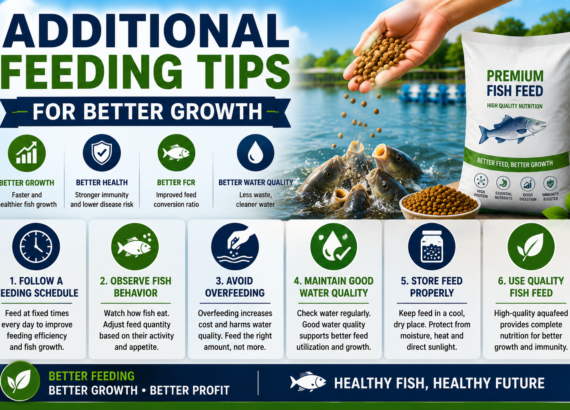
Feeding Schedule
Using a consistent schedule for feeding fish will help ensure the fish grow steadily.
Monitoring Fish Behavior
Monitor the fish’s behavior often and make adjustments to how much feed to provide if needed.
Avoiding Overfeeding
Overfeeding will cost more money and decrease water quality.
Storing Feed Properly
To protect nutritional quality, feed should not come into contact with moisture, heat, or direct sunlight.
Using Fresh Feed
The nutritional value of the feed will be enhanced by using fresh feed versus expired feed.
Future of Fish Feed Pellet Technology
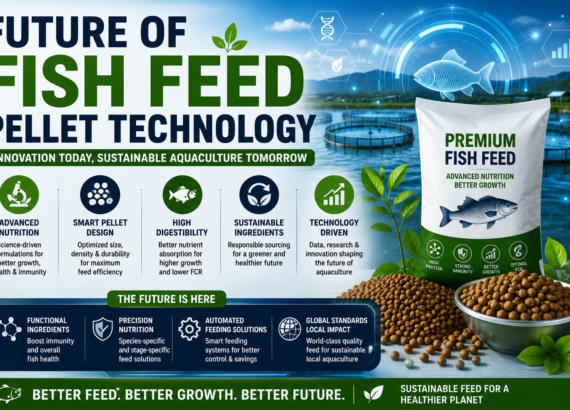
Fish feed technology has progressed rapidly over the last several years and innovations are anticipated for 2026, including:
- Precision nutrition
- Species-specific pellets
- Improved digestibility
- Spoundable proteins
- More efficient conversion rates
As a result, farmers will be able to achieve a greater degree of healthy fish growth and maintain sustainable practices in terms of environmental impact.
Conclusion:
Finding the Best Fish Feed Pellet Size for Different Species of Fish is critical to the success of aquaculture. The right size improves feed consumption, reduces waste, helps with digestion, and promotes fish growth.
It is important for fish farmers to select the size of the fish feed pellet based upon the size of the fish for optimal results, no matter if they are growing tilapia, pangasius, carp, IMC, or ornamental species. In conjunction with the highest quality aquafeed and proper feeding management, the use of the proper pellet size will positively impact the profitability of a fish farm.
Fish farmers should measure the growth rate of their fish on an ongoing basis, adjust the size of their pellets accordingly, and work with a reputable fish feed manufacturer or supplier.
Frequently Asked Questions (FAQs)
What is the recommended pellet size for fingerlings?
Most fingerlings will thrive on pellets that range in size between 1-2mm depending on the species.
Why is pellet size relevant in the fish farming industry?
Having the correct pellet sizes will enhance the amount of feed an animal consumes, improve its ability to digest food, facilitate growth through proper nutrition and reduce waste of feed.
Can oversized pellets negatively impact a fish’s ability to grow?
Yes, oversized pellets can be difficult to consume and therefore decrease feeding efficiency.
What pellet size is recommended for sub-adult tilapia?
Floating pellets ranging between 4-6mm are typically most suitable for adult tilapia.
What type of feed should I use for aquarium fish?
Aquarium fish typically require small sized food, micro pellets, or specially formulated aquarium fish food that is designed specifically for decorative species.
How do I determine when to change pellet sizes?
Change pellets whenever a fish enters another growth phase (for example, when they are transitioning from fry to fingerling) in order to maintain optimal feeding efficiency and provide maximum growth performance.
Thanks for reading
……………………………………………………………………………………………………………………………………………….
Click here to read this: How to Choose the Right Floating Fish Feed
Visit our product page to see all products: Click here to visit
Need help choosing feed? Use our Free Feed Calculator
Visit: Dust Fish Feed Products