
Farming is a part of the agricultural economy, providing food, jobs and business opportunities to millions. Yet running a farming business takes more than land, supplies, and hard work. Understanding farming costs is vital for keeping profit, using resources wisely and growing over time. Whether a person works in crop farming, raising chickens, or aquaculture, identifying key expenses helps farmers make smart financial decisions.
In India, fish farming has grown as a business because more people want seafood and aquaculture methods are improving. Still, fish farmers must watch costs like pond set‑up, fish seeds, good fish feed, workers, water control and tools. Every cost affects production costs and final profit. Knowing these costs and choosing good ways lets fish farmers lift output while keeping farms steady.
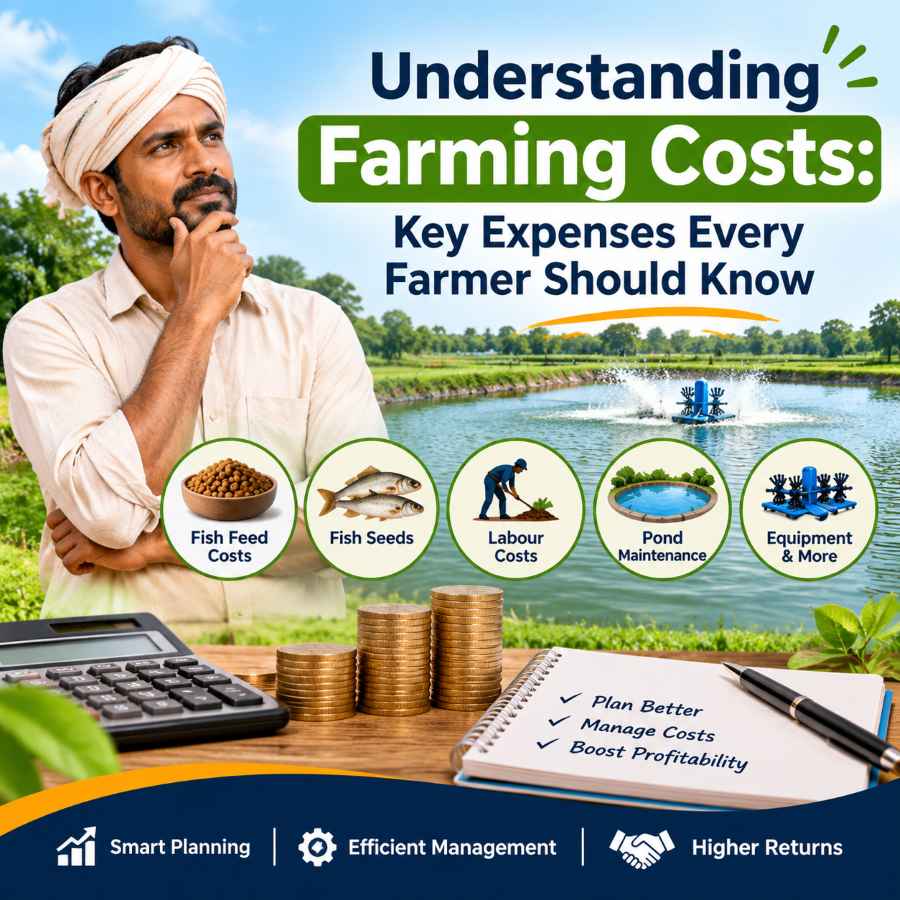
Understanding the Major Expenses Involved in Farming
Every farming operation uses costs that set its full spend and profit. These costs differ with farm size, location, how it is run, resources on hand and the farming type. For fish farmers, the first spend usually covers pond building or fixing, water control systems, fish seeds and key farm tools.
Pond preparation is an early cost in aquaculture. Farmers may have to wipe ponds, pull weeds, lay lime, fix pond walls and prepare the water before adding fish seeds. Good pond prep gives a home for fish and keeps future problems low. The total cost depends on pond state, water supply and farm size.
Fish seeds or fingerlings are another expense. Picking disease‑free fish seeds matters because bad fingerlings raise death rates and hurt output. Farmers should buy fish types from trustworthy suppliers and choose how many to put in the pond based on pond size and farm goals. Species like Rohu, Catla, Mrigal, Tilapia and Pangasius need food and water conditions that farmers must think about before starting.
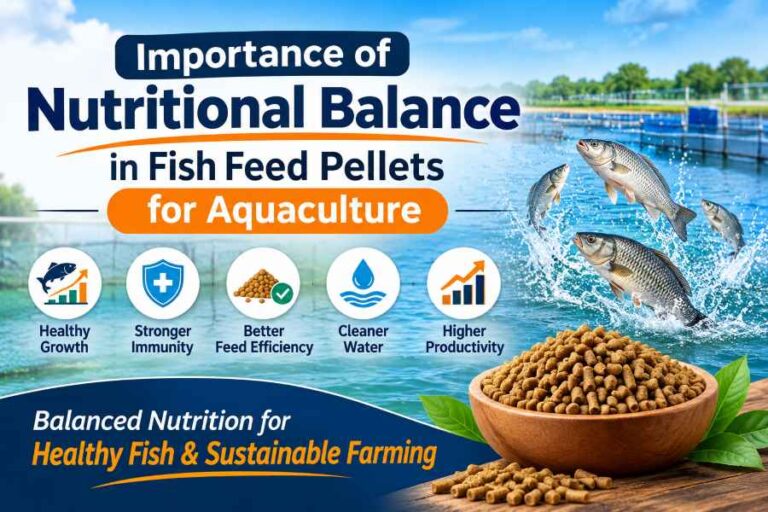
Fish feed is usually an ongoing cost in fish farming. Fish need food with protein, carbs, fats, vitamins and minerals to grow well. How much and how good the feed is changes fish weight, growth speed, feed conversion ratio and when to harvest. Picking feed pellets for each fish type and age helps farmers use feed better and keep farming costs down.
Labour costs also add to farming spend. Workers may need to feed fish, keep ponds clean, check water quality, tidy farm sites, handle tools and harvest. How many workers are needed depends on farm size and needs. Good planning and smart management can keep labour spend down while still caring for the farm.
Equipment, Maintenance and Operational Costs in Fish Farming
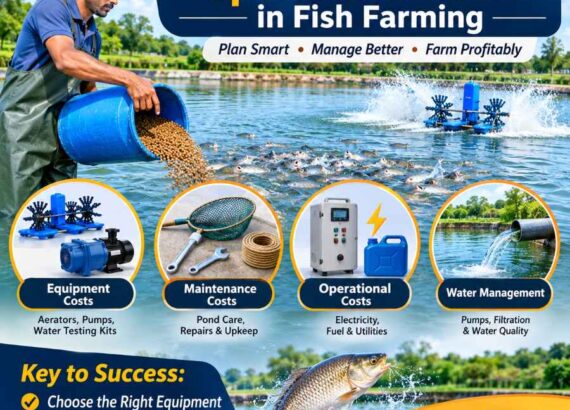
Beyond spending and everyday feed, fish farmers must think about many running costs to keep the business strong. Water control is key because fish grow and live best with water. Pumps, aerators, testing kits, pipes and other tools might be needed to maintain oxygen and water flow. Power and fuel costs for these tools must be in the farm budget.
Regular pond care is another must. Farmers may need to set water levels, pull waste, check pond walls and keep drains working. Bad maintenance can make the water unhealthy, hurt fish growth and raise disease risk. Checking often finds issues early. Cuts surprise losses.
Fish health care also adds to farm costs. Preventing disease, checking water and getting help are key for keeping fish healthy. Farmers should use biosecurity, not crowd fish and keep proper feeding times. Preventing problems is usually better than fixing outbreaks later.
Harvesting, moving, packaging, and selling are costs that shape final profit. When fish grow to sell size, farmers need harvest gear, storage and transport to bring fresh fish to buyers. Planning harvest timing and finding markets early can cut delays and extra spend.
Technology also changes how farmers manage costs. Digital water monitoring devices, automated feeding systems and modern aquaculture equipment help improve resource utilisation. Automated feeding solutions, for example, support feeding schedules and cut unnecessary feed distribution when managed correctly. Likewise, keeping production records helps farmers see where money goes and spot chances for use.
Smart Strategies to Reduce Farming Costs and Improve Profitability
Managing farming costs does not mean compromising on quality. Instead, farmers should focus on improving efficiency, cutting waste and choosing resources. In aquaculture, one of the ways to manage production expenses is proper fish feeding practices. Farmers should choose balanced fish feed based on species, fish size and growth stage. Overfeeding must be avoided because uneaten feed raises costs and hurts pond water quality.
Choosing high‑quality floating fish feed pellets helps feeding management. Floating feed lets farmers watch feeding activity and gauge how much feed fish eat. This makes it easier to adjust amounts and spot changes in fish appetite. Better feed use boosts feed conversion efficiency and cuts expenses.
Happy Feeds focuses on formulated floating fish feed that supports healthy fish growth and efficient aquaculture. The company offers feed solutions for different fish varieties, including Tilapia, pangasius, and Indian Major Carps such as Rohu, catla, and Mrigal. Its floating fish feed pellets provide nutrition, improve digestibility and aid better feed management. Choosing fish feed from a trusted manufacturer helps farmers make smart choices about a major recurring expense.
Another effective cost‑management strategy is water quality checks. Monitoring dissolved oxygen, pH, temperature, and other key water parameters lets farmers spot problems before they harm fish health. Healthy pond conditions lower production risks. Support steady growth.
Farmers should also keep a financial record of their activities. Recording costs for fish seeds, feed, electricity, labour, equipment, medicines and transportation makes it easier to calculate production costs. Comparing these costs with harvesting revenue lets farmers see profit margins and plan investments better.
Finally, sustainable farming practices must remain key to cost management. Efficient water use, responsible stocking density, proper waste management and balanced nutrition improve long‑term farm performance. By combining management, quality inputs and modern technology, farmers can build a more productive and financially sustainable aquaculture business.
Conclusion
Understanding farming costs is essential for every farmer who wants to boost productivity and maintain long‑term profitability. In fish farming, costs such as pond preparation, fish seeds, fish feed, labour, equipment, water management and harvesting influence total investment. Managing these costs with planning, regular monitoring and efficient resource use can help farmers cut unnecessary spending.
Quality nutrition also plays a role in successful aquaculture. Choosing floating fish feed pellets, keeping proper feeding schedules and monitoring fish growth supports better production results. With formulated fish feed solutions from Happy Feeds, farmers can focus on healthy fish growth, efficient feeding and sustainable aquaculture practices.
Frequently Asked Questions (FAQs)
- What are the major farming costs in fish farming?
The major fish farming costs include pond preparation, fish seeds, fish feed, labour, water management, electricity, equipment, fish health management, harvesting and transportation.
- Why is fish feed one of the expenses in aquaculture?
Fish feed is a recurring cost needed throughout the production cycle. Quality feed supplies nutrients for fish growth, while efficient feeding practices reduce waste and improve feed conversion efficiency.
- How can farmers reduce fish farming costs?
Farmers can cut costs through pond management, suitable stocking density, quality fish seeds, balanced fish feed, regular water quality monitoring and efficient resource use.
- How does floating fish feed help reduce farming expenses?
Floating fish feed lets farmers watch feeding activity and monitor consumption. This helps adjust feed amounts, minimise waste and keep better control over feeding practices.
- How can farmers choose the right fish feed for their farms?
Farmers should consider fish species, growth stage, nutritional needs, pellet size, digestibility and feed quality. Choosing formulated fish feed from a reliable producer like Happy Feeds supports healthy fish growth and efficient aquaculture management.
Thanks for reading
……………………………………………………………………………………………………………………………………………….
Click here to read this: How to Choose the Right Floating Fish Feed
Visit our product page to see all products: Click here to visit
Need help choosing feed? Use our Free Feed Calculator
Visit: Dust Fish Feed Products