
Table of Contents
- Introduction
- Why Fish Nutrition Matters
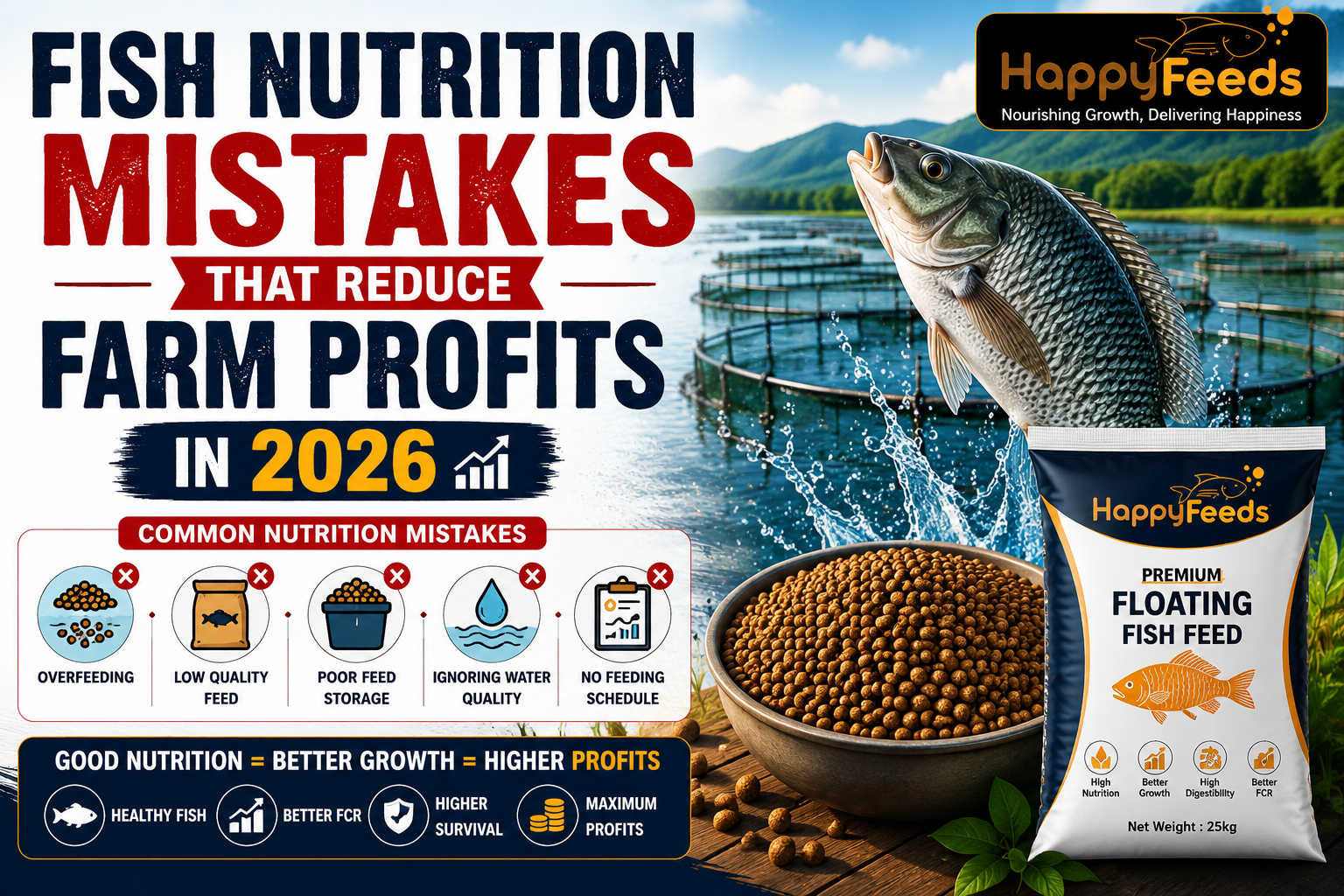
- Common Fish Nutrition Mistakes
- Feeding the Wrong Type of Fish Feed
- Overfeeding and Feed Wastage
- Underfeeding and Slow Growth
- Ignoring Fish Feeding Charts
- Using Low-Quality Fish Feed
- Poor Feed Storage Practices
- Choosing the Wrong Pellet Size
- Not Adjusting Feed According to Growth Stage
- Importance of Premium Floating Fish Feed
- How Quality Feed Improves Profitability
- Selecting the Right Fish Feed Manufacturer
- Conclusion
- FAQs
In today’s world of aquaculture, Fish Nutrition Mistakes approximately sixty to seventy percent of the total cost of an aquaculture production system will constitute the cost of feeding. This is a high percentage of total costs; however, there are numerous ways in which producers can easily make nutrition-related mistakes that cause large negative impacts on the growth of their fish, feed efficiency and overall profitability as a fish producer.
Proper nutrition for fish is the basis for keeping healthy fish and providing maximum return for whatever fish species they are producing, including tilapia, pangasius, IMC, rohu, catla or carp. Even the smallest error in feeding will negatively impact the growth rate of fish, their feed conversion ratio (FCR), increase their susceptibility to disease and result in decreased yield at harvest time.
The objective of this guide is to identify common individual mistakes that reduce a fish producer’s profits from fish nutrition and identify how each of these mistakes can be addressed through improved feeding practices and improved quality of fish feed.
The Importance of Fish Nutrition
The nutrition provided to fish directly impacts the following fish-related performance criteria:
- Growing performance
- The efficiency of converting feed to body mass
- Survival rate
- Disease resistance
- Quality of fish harvested
- Profits generated from fish production
Balanced feed allows for fish to efficiently convert feed to the mass of the fish (whether it’s marketable). Therefore, the input cost of feed by the producer will be lower while the fish being produced will be at a higher level of production.
Conversely, fish feed mistakes often result in raised feeding costs and decreased production efficiencies.
Common Fish Nutrition Mistakes
The majority of fish producers place a large emphasis on the population density of the fish in ponds or the various management practices used for the ponds. However, there is still a considerable amount of fish producers that do not place enough emphasis on the nutrition of the fish they are raising in the ponds. Below is a list of some of the most frequent fish nutrition mishaps that make it difficult for fish producers to be profitable.
Overfeeding and Feed Wastage
In aquaculture, one of the worst mistakes that farmers make is to overfeed their fish. There are many farmers who think they can achieve faster growth by feeding their fish larger amounts of food at each feeding. Unfortunately, overfeeding fish can result in:
- Feed that gets wasted,
- Water quality that declines,
- A higher concentration of ammonia in the water,
- Increased production costs.
Fish waste unconsumed feed by either not eating it or having it settle out of the water column to the bottom of the pond. If left to decompose, the decayed feed will create an unstable environment for the fish.
A sufficient feeding schedule will solve these problems.
Slow Growth and Underfeeding
Underfeeding has a negative effect on fish growth similar to the negative effect on fish growth that comes from overfeeding. Insufficient nutrition provided to fish can result in the following problems:
- Slow growth,
- Uneven fish sizes,
- Poor immunity,
- A delay in harvest.
Fish need to have enough nutrients available to them in order to grow as quickly as they are genetically programmed to grow. Farmers, therefore, need to weigh their fish on a regular basis and adjust the amount of feed they provide according to how fast they are growing.
Neglecting the Use of a Fish Feeding Chart
A fish table can be used as a guideline to determine:
- How much feed to provide,
- How often and when the feed can be provided,
- What type and size of feed are recommended at each stage of the fish growth cycle.
Some farmers will make their own informal guess as to how much, how often, and when to feed their fish, which will often result in overfeeding, underfeeding, increased feed cost, and decreased fish growth performance.
Using a scientifically developed fish feeding chart will provide the tools to utilize feed efficiently.
Utilizing Feed of Poor Quality
Using poor quality feed is another of the serious mistakes that farmers make in aquaculture. Too many farmers purchase fish feed based on the least expensive option, which often has the following negative traits:
- Poor quality source ingredients,
- Inconsistent nutrition,
- Less digestible ingredient formulas.
As a result of the above, the fish are eating more feed and growing less as a result.
Using quality fish feed will result in improved growth of the fish.
Poor Feed Storage Practices
If you store your premium feed improperly, it can degrade over time.
Here are a few common mistakes made when storing feed products:
- Moisture exposure
- Direct sunlight exposure
- Poor ventilation
- Long-term storage damage
Feed that is damaged can lose its nutritional value and develop mold because of being stored improperly.
To avoid storing feed improperly, you should:
- Store feed in cool, dry areas
- Use pallets/containers
- Rotate stock regularly
- Keep bags free from moisture
Incorrectly sized/oversized pellets can
- Reduce feed consumption
- Increase wastage
- Undersized pellets
- Will affect the feeding efficiency of fish
- Will increase the competition among fish for feed
Feed manufacturers today provide various pellet sizes for different fish growth cycles
Utilizing the appropriate pellet sizes will lead to optimal fish feeding performance and growth.
The nutritional requirements of fish change as they progress through their life cycles. During fry phase, feeding requires high protein and frequent feedings; during fingerling phase a balanced feeding program is essential for optimal growth; while during grow out production, a maximum amount of efficient weight gain and feed to fish conversion are crucial.
Producers that do not feed separately by life stage will often suffer decreased production efficiencies.
In order to achieve the highest profit, producers need to implement production feeding programs targeting each production stage individually.
Importance of Premium Floating Fish Feed
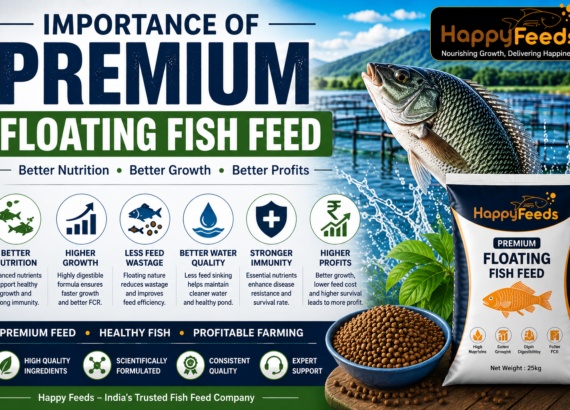
There are many benefits to using floating fish feed rather than traditional feed sources. These benefits include:
✔️ Better Monitoring of Feed
With floating feed, you will be able to see if the fish are eating from the surface of the water or if the fish are not growing (eating) from the bottom of the water.
✔️ Less Waste of Feed
You can easily feed fish before the feed moves to the bottom of the water.
✔️ Improved Water Quality
If the fish do not eat the feed, it will not be left in the water thus limiting the amount of organic material that will build up.
✔️ Better FCR
With high digestibility, fish will consume more nutrients, resulting in faster growth of fish.
Due to these benefits, quality floating fish feed is a great option for aquaculture today!
The Importance of Quality Feed for Profitability
The quality of the feed provided to fish can also contribute to the profitability of the farm.
Quality feed can help fish grow at a faster rate compared to feeds with poor quality.
Healthy fish will be less likely to contract disease or stress and have a higher chance of surviving to the day of harvest.
As FCR increases, you will use less feed to produce a kilogram of fish.
Fish that have been fed better will produce a high quantity and better grade fish at harvest, which will have a higher value in the marketplace.
These benefits over time will positively impact your farm income!
The Right Manufacturer for Fish Feed
Choosing the ideal fish feed manufacturer is just as important as choosing a good feed product.
When selecting a fish feed manufacturer look for them to have:
Consistently the Same Quality
Each batch of feed must contain the same nutritional value as the previous batch of feed.
Scientific Formulations for Fish Species & Growth Stages
The manufacturing process and formulation of the feed must be based on the species of fish and the stage of growth.
Provide Technical Support to Farmers
Reliable fish feed manufacturers generally support their customers on feeding practices.
Future Trends in Fish Nutrition
Future aquaculture nutritional advancement focuses on:
Precision Nutrition
Customized feed solutions for the various cultured species.
Sustainable Ingredients
Reducing reliance on traditional fishmeal will continue to be an environmental priority.
Smart Feeding Systems
The implementation of technology-based feeding solutions.
Improved Feed Conversion
Advanced formulations developed specifically to achieve maximum growth and minimum waste.
Farmers who take advantage of these advancements will have a competitive edge over their counterparts in the future.
Conclusion
Making the most of fish nutrition by preventing the industry’s common mistakes is one way to improve both fish growth and profits. Various errors such as overfeeding or underfeeding; using substandard feed; improper feed storage; and ignoring feed charts all contribute to reduced production efficiencies.
Farmers can improve overall health by purchasing premium quality fish feed; adopting appropriate feeding practices; and developing a partnership with reputable fish feed manufacturers resulting in achieving healthier fish, improved feed conversion and generating higher profits.
Successful aquaculture in 2026 will not be only the quantity of feed fed, but the quality of feed supplied.
FAQs
- What are the most common fish nutrition mistakes?
The most common mistakes include overfeeding, underfeeding, using low-quality feed, improper feed storage, and ignoring feeding charts.
- How does poor nutrition affect fish growth?
Poor nutrition can slow growth, weaken immunity, reduce feed efficiency, and increase production costs.
- Why is premium floating fish feed recommended?
Premium floating fish feed improves feed monitoring, reduces wastage, supports better growth, and helps maintain water quality.
- How can farmers improve feed conversion ratio (FCR)?
Farmers can improve FCR by using quality feed, following feeding charts, selecting proper pellet sizes, and maintaining good water quality.
- Does feed storage affect fish feed quality?
Yes. Exposure to moisture, sunlight, and poor storage conditions can reduce nutritional value and feed performance.
Thanks for reading
……………………………………………………………………………………………………………………………………………….
Click here to read this: How to Choose the Right Floating Fish Feed
Visit our product page to see all products: Click here to visit
Need help choosing feed? Use our Free Feed Calculator
Visit: Dust Fish Feed Products