
Table of Contents
- Introduction
- Why Healthy Fish Matter in Aquaculture
- Key Factors That Influence Fish Health
- Importance of Quality Fish Feed
- Water Quality and Fish Health
- Feeding Practices for Healthy Fish
- Common Health Problems in Fish Farming
- Role of Premium Floating Fish Feed
- Fish Feeding Chart for Better Results
- Choosing the Right Fish Feed Company
- Future of Fish Farming in India
- Conclusion
- FAQs
In the aquaculture industry, Healthy Fish in India where fish farming is becoming more popular, it is critical to ensure that fish are well-nourished if the fish farm is going to be profitable. When farmers grow freshwater species such as Tilapia, Pangasius, Rohu, Carp, Firmagel, and others, fish health plays a very large role in determining growth rates, survival, feed efficiency, and ultimately profitability. With the continued rapid growth in India’s aquaculture industry, there has been an increased emphasis on nutrition, water quality, and disease prevention within aquaculture farms. Healthy fish grow at a higher rate, use feed more efficiently, and have a greater market value than unhealthy fish.
In 2026, successful fish farming will no longer involve simply stocking fish into ponds. The success of the fish farm will be determined by the management of feed, providing nutritional quality foodstuffs, and by using science-based methods for farming fish. This handbook will be an all-encompassing source of information for fish farmers to help them create a successful fish farm by maintaining healthy fish and maximizing farm production.
Why fish health is important to aquaculture
The health of the fish is the basis for a profitable fish farming business.
When the fish are healthy there are many more advantages that the farmer sees:
- Fish that grow quicker
- A lower feed conversion ratio (FCR)
- Fish that have a stronger immune system
- Fish that have lower mortality rates
- Fish that provide a higher quality to harvest
- Fish that have a higher value when sold
On the other hand, if the fish are unhealthy, they will have a slow growth rate, increased risk for infectious diseases and also higher production costs.
Therefore, every fish farmer must prioritize the health of the fish at the beginning of the production cycle.
Key Factors That Influence Fish Health
There are many different factors that affect the overall health of a fish.
Nutrition
The most important factor in determining the health of a fish throughout its entire lifetime is its nutrition. Fish require several types of nutrients to survive and grow. These nutrients include:
- Protein
- Energy
- Vitamins
- Minerals
- Essential fatty acids
If fish do not get enough nutrition they will become weak, making them more likely to develop infections and diseases.
Water Quality
One of the biggest causes of stress and death in fish is poor water quality. There are several parameters that are needed to test water quality, they include:
Dissolved Oxygen
- PH Level
- Temperature
- Ammonia concentration
- Water transparency
By maintaining good, stable conditions in the water, fish will be able to live active and healthy lives.
Stocking Density
Overcrowding can cause stress to fish and increase the chance of transferring diseases. Appropriate stocking densities will allow fish to be able to:
Access their feed easily
Plus, to allow for uniform growth in fish.
A large number of fish in a tank creates a more stressful environment due to limited access to feed.
The Importance of Quality Fish Feed
Quality fish feed is one of the largest investments you can make in fish farming. Quality fish feed will provide balanced nutrition contributing to:
- Fast growth
- Good digestion
- Good immune system
- Good feed efficiency
There are many companies that manufacture quality fish feed which has been scientifically designed to meet the nutritional requirements of different types of fish species. If you are using lower quality fish feed it may save you money now, but it generally results in slower growth and a higher cost in the long-term.
Water Quality and Fish Health
Water acts as the living environment for fish.
Even the best feed cannot compensate for poor water quality.
Essential Water Quality Parameters
| Parameter | Recommended Range |
| Dissolved Oxygen | Above 5 mg/L |
| pH | 6.5–8.5 |
| Ammonia | Near Zero |
| Temperature | Species Specific |
Regular monitoring helps prevent stress and disease outbreaks.
Feeding Practices for Healthy Fish
It’s essential to manage feed properly in order to keep fish in good health.
Feed at the Proper Times
Fish tend to eat actively during cooler parts of the day. Common feeding times are:
- Early in the Morning
- Late in the Afternoon
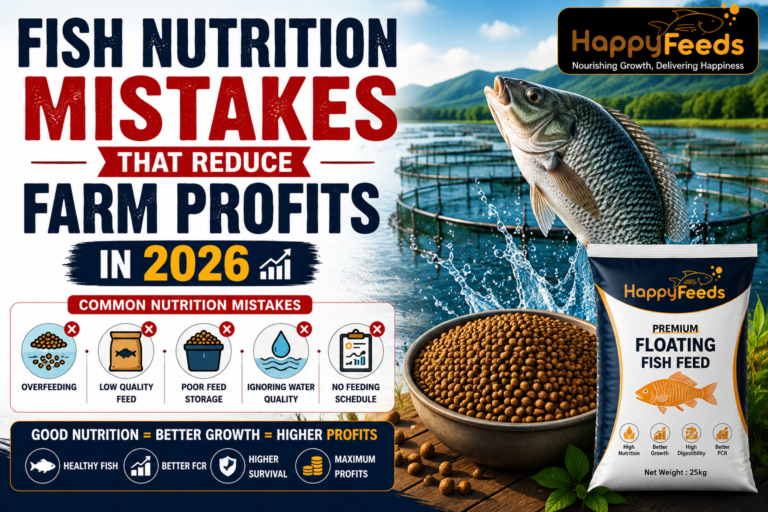
Do Not Overfeed
Overfeeding can create problems:
- Polluted water
- Fish can develop higher levels of ammonia
- Fish will cost you more to rise
You should feed each fish just enough food that they can consume in 3-5 minutes.
Feed on Time (as Often as Possible)
Feeding fish on a routine basis will generally result in improved feed efficiency and overall growth of the fish. Regular feedings can also reduce the stress placed on the fish population.
Common Health Issues of Fish Farms
Even healthy fish farms can suffer from disease. The following issues can create disease:
Nutritional deficiencies – If you use low quality feed it can result in:
- Slow growth
- Weak immune system
- Poor feed to flesh conversion
Oxygen Deficiency – When fish do not get enough oxygen, they will:
- Refuse to eat
- Grow poorly
- Die
Disease Spreading – The most common factors leading to disease spreading in the fish:
- Poor water quality
- Over crowding
- Stress
- Nutrition imbalance
Prevention is much better than cure.
Role of Premium Floating Fish Feed
Premium floating fish food is becoming increasingly popular among aquaculture producers because of the numerous advantages associated with using this type of fish feed.
Floating Fish Feed Benefits
* Feed Monitoring
Farmers can easily monitor the amount of feed consumed by fish since the pelleted feed floats on the water surface.
* Reducing Feed Waste
Fish have the opportunity to consume all available feed prior to it sinking or disintegrating into sludge at the bottom of the pond.
* Improving Water Quality
By feeding fish only half of their bodyweight, there is significantly less leftover feed to contaminate the water in the pond.
* Improving Growth Rate
If fish are provided with a complete and balanced diet, they will grow as quickly and as fully as possible.
Because of these reasons, premium floating feeds are the preferred choice of fish feed for producers engaged in commercial aquaculture.
Guidelines for Feeding Fish for Maximum Results
As fish mature and grow larger, their feeding needs change.
General Feeding Guidelines
Average Amount of Fish Feed to Give
* Fry = 8% – 10% of total weight of fish per day
* Fingerlings = 5% – 8% of total weight of fish per day
* Juveniles = 3% – 5% of total weight of fish per day
* Adults = 2% – 3% of total weight of fish per day
Zoos may also vary feeding frequency based on ambient (air) temperature, fish behavior, and fish growth.
Establishing a High-Quality Feed Supplier
To guarantee their long-term success, fish farmers should choose a dependable fish feed supplier.
Key Considerations in Selecting a Supplier
* Consistent Quality
A reputable manufacturer will deliver consistent and balanced feed for their aquatic life.
* Up-to-Date Manufacturing Practices
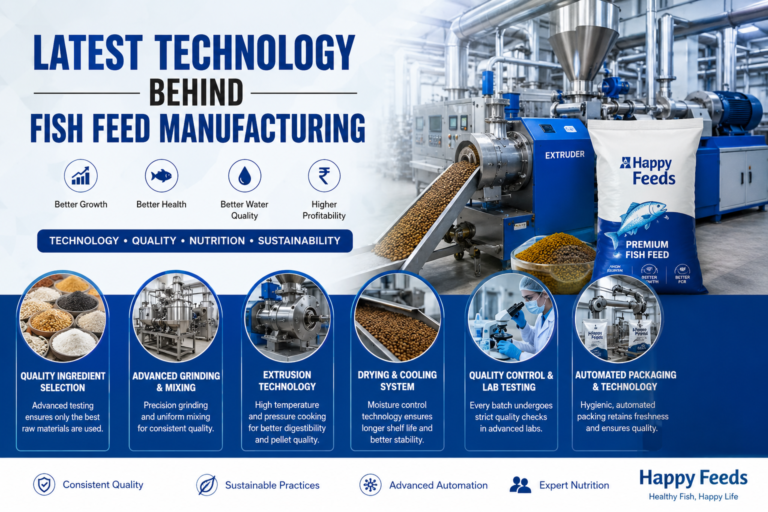
Modern equipment will enhance the efficiency of feeding; consequently, farm feed will be produced with longer-lasting pellets.
* Technical Guidance
A reputable fish feed supplier will provide expert guidance on feeding methods and management of fish farms.
* Species-Specific Nutrition
Different species of fish carry different nutrient requirements.
Developing a relationship with a reliable fish feed supplier will give fish farmers a better chance to produce large quantities of fish.
Future of Fish Farming in India
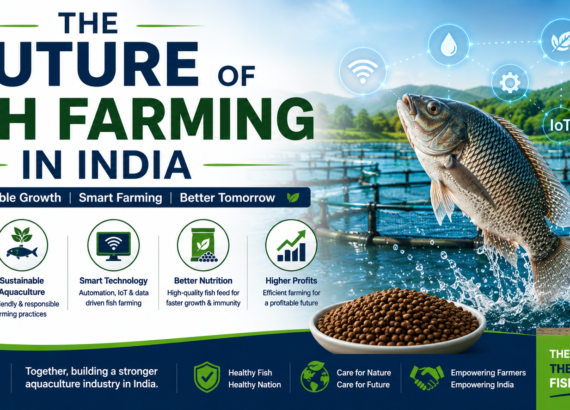
India’s aquaculture industry continues to experience strong growth.
Emerging trends include:
Precision Nutrition
Customized feed formulations for specific species.
Sustainable Aquafeed
Environmentally friendly ingredients and production methods.
Smart Feeding Systems
Technology-driven feeding solutions that improve efficiency.
Better Farm Management
Data-based decision-making for improved productivity.
Farmers who adopt these innovations will be better positioned for future success.
Benefits of Maintaining Healthy Fish
When fish health becomes a priority, farmers experience:
- Faster harvest cycles
- Higher survival rates
- Better market acceptance
- Reduced treatment costs
- Improved profitability
Healthy fish are not only more productive but also more resilient to environmental challenges.
Conclusion
To maintain healthy fish in India, combinations of good nutrition, quality fish feed, good water management and good scientific feeding practices can help farmers achieve improved fish health and faster growth while reducing mortality and increasing profits. Premium floating fish feeds, regularly tested water quality and appropriate timing of feed will provide some of the best strategies to improve fish performance. Focused on fish health will continue to be one of the most important considerations for successful long-term aquaculture in 2026.
FAQs
- Why is fish health important in aquaculture?
Healthy fish grow faster, utilize feed more efficiently, and achieve better survival rates, leading to higher farm profitability.
- What is the best feed for healthy fish growth?
Premium floating fish feed with balanced nutrition is generally considered one of the best options for healthy growth and feed efficiency.
- How often should fish be fed?
Most fish are fed two to three times daily depending on species, age, and environmental conditions.
- Can poor water quality affect fish health?
Yes. Poor water quality can cause stress, reduce feeding activity, slow growth, and increase disease risks.
- How can farmers improve fish immunity?
Providing quality nutrition, maintaining clean water, reducing stress, and following proper farm management practices help strengthen fish immunity.
Meta Title
Healthy Fish in India: Complete Guide to Better Fish Growth in 2026
Meta Description
Learn how to maintain healthy fish in India through proper nutrition, quality fish feed, water management, and feeding practices. Discover expert tips for faster fish growth and profitable aquaculture farming in 2026.
Focus Keyword
Healthy Fish in India
SEO URL
https://www.happyfeeds.co.in/healthy-fish-in-india-guide-2026
Meta Keywords
healthy fish in india, fish feed company in india, healthy fish feed, fish feed manufacturers, fish feed pellet, floating fish feed pellets, premium floating fish feed, fish feeding chart, fish feed company, aquafeed, top-quality fish feed, best fish feed company in india, fish farming india, fish growth, fish nutrition
Thanks for reading
……………………………………………………………………………………………………………………………………………….
Click here to read this: How to Choose the Right Floating Fish Feed
Visit our product page to see all products: Click here to visit
Need help choosing feed? Use our Free Feed Calculator
Visit: Dust Fish Feed Products